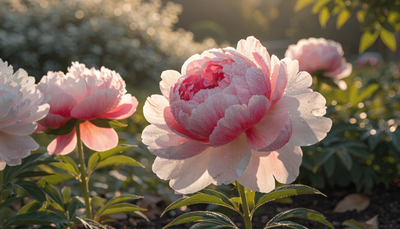
Few flowers give you more for less than cosmos. Native to the sun-baked meadows of Mexico and Central America, these airy, daisy-like bloomers thrive on neglect, shrug off drought, and flower from early summer to the first hard frost. They are one of the easiest flowers to grow from seed, and one of the very few where doing less gets you more blooms. This guide covers growing cosmos the organic way, from choosing varieties to a restraint-first feeding plan built on living soil.
Choosing the Right Cosmos Varieties
"Cosmos" covers a handful of species, but two do almost all the work in home gardens. Knowing which one you have shapes everything from spacing to color to how tall your plants finish. Below are the workhorses, plus a few standout named cultivars worth seeking out.
Garden Cosmos (Cosmos bipinnatus)
This is the classic cosmos: feathery, fern-like foliage and wide single blooms in white, pink, rose, and burgundy, held on wiry stems 3 to 5 feet tall. It is the tallest, airiest type and the best cut flower.
- 'Sensation Mix' — the old reliable, an All-America Selections (AAS) winner with large 3- to 4-inch blooms in pink, rose, and white on 4-foot plants.
- 'Purity' — pure white, tall and elegant; a florist favorite for arrangements.
- 'Rubenza' — deep ruby-red flowers that age to a softer rose, adding two-tone depth to a bed.
- 'Double Click' series — fully double and semi-double pompom blooms in shades like 'Cranberries' and 'Snow Puff'.
- 'Cupcakes' — fused petals that form a fluted, cup-shaped bloom.
- 'Apricot Lemonade' — soft blush-apricot with a lilac eye, a sought-after cut-flower shade.
- 'Seashells' — petals rolled into fluted tubes, unlike any other cosmos.
Sulfur Cosmos (Cosmos sulphureus)
Shorter, bushier, and heat-loving, sulfur cosmos brings the hot end of the color wheel: gold, orange, and scarlet. Foliage is broader and less lacy than garden cosmos, and plants tolerate humidity and drought exceptionally well. This species is also a magnet for pollinators and predatory beneficial insects.
- 'Bright Lights Mix' — semi-double blooms in orange, gold, and red on 2- to 3-foot plants.
- 'Cosmic' series ('Cosmic Orange', 'Cosmic Yellow', 'Cosmic Red') — compact 12- to 18-inch plants (the orange and yellow are AAS winners), excellent for containers and front borders.
- 'Diablo' — fiery red-orange semi-doubles on taller, vigorous plants.
Compact and Specialty Cosmos
For containers, small beds, or windy sites, dwarf cosmos give you the same look at knee height. The 'Sonata' series (garden cosmos, 18 to 24 inches) is the standard for compact color, blooming early and rarely needing staking. For something different, chocolate cosmos (Cosmos atrosanguineus) is a tender tuberous perennial with velvety maroon flowers that genuinely smell of chocolate. Grown from tubers rather than seed, it won't survive a hard freeze in the ground and is usually lifted and stored over winter or grown in a pot — more like a dahlia than an annual cosmos.
Soil Preparation
Here is the single most important thing to understand about cosmos: they are adapted to lean, poor soil. Rich, heavily amended, nitrogen-loaded beds produce tall, floppy, leaf-heavy plants that bloom sparsely and topple in the first storm. The goal isn't a fertile bed — it's a living bed with excellent drainage and modest fertility.
Ideal Soil
Cosmos want:
- Full sun — 6 or more hours of direct light. Shade makes them stretch, flop, and skip flowering.
- Well-drained soil — they hate wet feet. Sandy, loamy, even gravelly ground is fine.
- A near-neutral pH, roughly 6.0 to 7.5. Most garden soils sit comfortably in this range.
- Average to low fertility — no need to enrich a bed for cosmos. If your soil grows weeds, it will grow cosmos.
If your ground is heavy clay that puddles after rain, plant cosmos on a slight mound or in a raised bed to keep the crown dry. That single change prevents most root problems.
Building Living Soil
Organic growing is less about feeding the plant and more about feeding the soil biology that feeds the plant. Even a lean cosmos bed benefits from a thriving underground food web of bacteria, fungi, and other microbes that unlock nutrients, build structure, and improve drought resilience.
Start with a modest layer of finished compost — about half an inch to an inch worked into the top few inches of soil. You want just enough organic matter to support life and hold moisture, not a rich buffet. Resist the urge to pile it on; over-composted beds are the number-one cause of all-foliage, no-flower cosmos.
In beds you rotate seasonally, cover crops and green manures are a smarter long-game than bagged amendments — a light cover of buckwheat or clover between plantings builds structure and feeds the biology without spiking nitrogen the way manure can. The living-soil approach means you set the microbial engine running once, then let it maintain fertility for you.
Planting: Timing and Technique
Cosmos are frost-tender annuals (chocolate cosmos aside), so timing everything around your last spring frost date is the key. They also self-sow readily, so one good year often seeds the next.
When to Plant
Wait until all danger of frost has passed and the soil has warmed to at least 60°F. Cold, damp soil rots seed and stunts seedlings. In most regions that means late spring; in the South, you can sow from spring through midsummer for waves of bloom. Because cosmos flower in as little as 7 to 12 weeks from seed, you can make a second or third sowing every 3 to 4 weeks through early summer to keep fresh blooms coming until frost.
Direct Sowing (the easy way)
Cosmos resent root disturbance and grow so fast that direct sowing is usually best:
- Rake the bed smooth and remove large clods.
- Sow seeds about 1/4 inch deep, spacing 6 inches apart (thin later).
- Water gently and keep evenly moist until germination, typically 7 to 10 days at 70 to 75°F.
- Thin seedlings to 12 to 18 inches apart for tall types, 9 to 12 inches for dwarf types. Crowded cosmos get leggy and mildew-prone.
Starting Seeds Indoors
For an earlier show, or in short-season climates, get a jump by starting seeds indoors 4 to 6 weeks before your last frost. Sow into deep cells so the fast-growing roots have room, keep them under bright light to prevent stretching, and harden off gradually over a week before transplanting once frost is past. Don't start too early — root-bound cosmos seedlings transplant poorly and sulk.
Pinching and Support
When plants reach 12 to 18 inches, pinch out the growing tip above a leaf pair. This one move triggers branching, giving a bushier plant with far more flowering stems. Tall garden cosmos in exposed sites benefit from support — a grow-through grid, a few stakes and twine, or simply planting them close enough to lean on each other. Dwarf varieties rarely need it.
Companion Planting
Cosmos earn their place in the vegetable garden as much as the flower border. Their open, nectar-rich blooms draw bees and butterflies, and sulfur cosmos in particular attracts hoverflies, lacewings, and parasitic wasps — the beneficial predators that keep aphids and caterpillars in check. Planted along the edge of a veg patch, cosmos act as an insectary strip working on your behalf.
Good Companions
- Tomatoes, squash, and beans — cosmos pull in pollinators that improve fruit set and host predators of common pests.
- Brassicas (cabbage, kale, broccoli) — the parasitic wasps cosmos attracts help control cabbage worms.
- Zinnias, marigolds, and dahlias — a classic cut-flower and pollinator quartet with staggered bloom shapes and heights.
The main thing to avoid is planting cosmos in a bed you've heavily fertilized for hungry crops — the excess nitrogen that corn or leafy greens love will give you leaves instead of flowers. For the full framework, see our organic companion planting guide.
Watering Cosmos Organically
Cosmos are genuinely drought-tolerant once established, and overwatering causes far more trouble than underwatering. The rhythm is simple: keep seedlings evenly moist while they root in, then back off dramatically.
- Seedlings and transplants: water consistently for the first 2 to 3 weeks while roots establish, aiming for about 1 inch of water per week including rain.
- Established plants: water deeply but infrequently — a thorough soak every 7 to 10 days in dry spells is plenty. Let the top inch or two dry between waterings to push roots deep.
- Water at the base, not overhead. Wet foliage invites powdery mildew, cosmos's most common ailment; a drip line or slow hose at the soil surface keeps leaves dry.
- Mulch lightly with straw or shredded leaves to conserve moisture and suppress weeds, keeping mulch off the stems.
Wilting on a hot afternoon that recovers by evening is normal and not a cue to water. Chronically soggy soil, on the other hand, invites root rot and floppy growth.
Organic Fertilizing Schedule for Cosmos
Cosmos are the poster child for feeding restraint. Because they evolved in poor soils, heavy feeding — especially nitrogen — backfires, giving a jungle of foliage and few flowers on weak, floppy stems. So this schedule is deliberately light: keep the soil biology thriving and give a gentle nudge toward bloom, rather than force-feeding the plant.
You don't need all of these — Microbes, Veg, and Bloom are the core; the rest are optional boosters. For cosmos specifically, most gardeners can grow a spectacular stand with just Microbes at planting and a light touch of Bloom once buds form.
At Planting — Establish the Biology
Work Microbes, our living-soil inoculant, into the planting area or seed furrow. This is the foundation of the organic system: it colonizes the root zone with beneficial bacteria and fungi that unlock existing soil nutrients, build drought resilience, and improve root establishment — without the excess fertility that makes cosmos flop. This is the one input every cosmos bed should get.
Early Growth — Go Easy
Cosmos rarely need a vegetative feed. Only if your soil is genuinely poor and seedlings look pale should you give a single half-strength dose of Veg to green them up. In average or better soil, skip this stage — more nitrogen here is the fastest way to trade flowers for leaves. A gentler alternative is Kelp It Real, a soluble seaweed extract that supports roots and stress resilience without pushing floppy foliage.
Budding and Bloom — A Light Nudge
As flower buds begin to form, switch to Bloom, our organic flowering feed. Its phosphorus and potassium profile supports abundant, well-colored flowers. For cosmos, apply it at about half the rate you'd use on a hungry crop, roughly every 3 to 4 weeks through the season. That's usually all the feeding cosmos want.
Optional Power-Ups
- Incredible Bulk — an organic bloom booster for bigger, longer-lasting blooms. Useful if you grow cosmos as a cut flower and want larger flower heads; add it during peak budding.
- Kelp It Real — for root growth and stress resilience. The safest input in the lineup for cosmos, since it acts more as a biostimulant than a fertilizer. Use it after transplanting, during heat or drought stress, or as a light foliar tonic.
| Stage | Product | How to use |
|---|---|---|
| At planting | Microbes | Mix into the seed furrow or planting area to establish the root-zone biology. |
| Early growth (only if pale) | Veg (half strength) or Kelp It Real | One light feed if soil is poor; otherwise skip. Kelp is the gentler choice. |
| Budding to bloom | Bloom | Half rate, every 3–4 weeks through the flowering season. |
| Peak bloom (optional) | Incredible Bulk | For cut-flower growers wanting bigger, longer-lasting flower heads. |
| Any stage (optional) | Kelp It Real | Biostimulant for roots and stress; foliar or drench every 1–2 weeks as needed. |
When in doubt with cosmos, feed less. A slightly hungry cosmos is a floriferous cosmos.
Organic Pest Control
Cosmos are refreshingly pest-resistant, and their pollinator-friendly nature means you'll usually let beneficial insects do the policing. Still, a few pests show up:
- Aphids — cluster on new growth and buds. A strong jet of water knocks them off; the hoverflies and lacewings cosmos attracts usually finish the job.
- Japanese beetles — chew ragged holes in petals and leaves. Hand-pick into soapy water in the cool of the morning when they're sluggish.
- Thrips and spider mites — more common in hot, dry, dusty conditions; a hard rinse and adequate (not excessive) watering keeps them down.
- Slugs and snails — target tender seedlings. Handpick at night or use an iron-phosphate bait.
Because cosmos are such reliable insectary plants, reach for the gentlest intervention first — a broad-spectrum spray kills the very beneficials keeping the garden in balance. For the full toolkit, see our organic pest control guide.
Common Diseases and Organic Solutions
Most cosmos disease traces back to too much moisture, too little airflow, or too rich a bed. Prevention beats cure every time.
- Powdery mildew — the most common issue, showing as a white, dusty coating on leaves in humid or crowded conditions. Space plants properly, water at the base, and improve airflow. A diluted potassium-bicarbonate or milk spray can slow early infections; remove badly affected foliage.
- Gray mold (Botrytis) — fuzzy gray rot on spent flowers and stems in cool, wet weather. Deadhead promptly and clear debris, since it thrives on dying tissue.
- Fusarium wilt and stem canker — soil-borne rots causing sudden wilting or sunken cankers at the stem base. Ensure sharp drainage, avoid overwatering, and rotate where you plant cosmos year to year. Remove and discard affected plants (not into the compost).
- Aster yellows — a phytoplasma spread by leafhoppers that causes deformed, greenish, stunted flowers. There is no cure; pull and dispose of infected plants promptly and control leafhoppers.
- Damping-off — collapses seedlings at the soil line. Use clean media, don't overwater, and give seedlings good light and air movement.
Harvesting Cosmos
Cosmos are outstanding cut flowers, and cutting them makes plants bloom harder — every stem you take is one the plant replaces with more.
- Cut in the cool of the morning, when stems are fully hydrated.
- Harvest at the right stage: cut when buds are just cracking open and showing color, or when the first petals have unfurled but the center is still tight. Fully open flowers have a shorter vase life.
- Cut deep and long, above a leaf node, to encourage branching, and strip lower leaves that would sit in water.
- Condition immediately in clean water — expect a vase life of roughly 5 to 7 days.
Whether or not you cut for the vase, deadhead regularly — snipping off faded blooms before they set seed keeps plants flowering until frost. If you'd like volunteers next year, leave a few of the last blooms to drop seed; cosmos self-sow generously.
Common Problems and Troubleshooting
Why is my cosmos all leaves and no flowers?
The classic cosmos mistake: too much nitrogen and/or too little sun. Rich, over-fertilized soil pushes lush foliage at the expense of blooms. Stop feeding entirely, make sure the plants get at least 6 hours of direct sun, and be patient — as the soil's excess nitrogen is used up, flowering usually kicks in. Next season, plant in leaner ground and skip the compost-heavy bed.
Why is my cosmos falling over?
Flopping comes from three sources, often together: overly rich soil producing weak, leggy growth; too much shade causing plants to stretch for light; and tall varieties in windy sites without support. Pinch young plants to make them branch and sturdier, grow them lean and in full sun, and give tall types a grow-through grid or stake. Choosing a dwarf variety like the 'Sonata' or 'Cosmic' series solves it outright.
Why are my cosmos leaves covered in white powder?
That's powdery mildew, driven by crowding, poor airflow, and overhead watering. Thin or space plants for better circulation, water only at the base, and remove the worst-affected leaves. Early on, a diluted potassium-bicarbonate spray can help. It rarely kills cosmos but can slow them, so airflow is your best long-term fix.
Frequently Asked Questions
Do cosmos come back every year?
Garden and sulfur cosmos are annuals — they complete their life cycle in one season and die at frost. However, they self-sow so readily that a bed often reappears the next year from dropped seed, giving the impression of a perennial. Chocolate cosmos is the exception: it's a tender tuberous perennial grown from tubers, lifted and stored (or overwintered in a pot) in cold-winter regions.
How long do cosmos take to bloom from seed?
Fast — typically 7 to 12 weeks from sowing to first flower, depending on variety and warmth. Because they bloom so quickly, successive sowings every few weeks in early summer keep fresh flowers coming right up to frost.
Should I pinch cosmos?
Yes, for most types. Pinching out the growing tip when plants are 12 to 18 inches tall triggers branching, producing a bushier, sturdier plant with many more flowering stems. The only exception is very compact dwarf varieties, which branch well on their own.
Do cosmos need full sun?
Yes. Cosmos need at least 6 hours of direct sun to flower well and stand upright. In shade they stretch, flop, and bloom poorly. Full sun plus lean soil is the whole secret to great cosmos.
Can I grow cosmos in containers?
Absolutely — just choose a dwarf variety like the 'Sonata' or 'Cosmic' series so the plant stays in proportion to the pot. Use a well-draining mix, don't over-fertilize, water when the top inch dries, and give it full sun. Compact cosmos are among the easiest, longest-blooming flowers for pots and window boxes.