Few vegetables reward organic growing like the artichoke — a dramatic, silver-leafed perennial that hands you tender, buttery flower buds year after year while feeding pollinators and building living soil beneath it. Grow them without synthetics and you get cleaner flavor, a healthier garden ecosystem, and an architectural plant that earns its keep for a decade.
Artichokes (Cynara cardunculus var. scolymus) are thistles we harvest before they bloom — the "vegetable" is really an immature flower bud. That botany shapes everything about how you grow them: they want deep, rich soil, steady moisture, and patience. Whether you're tending a permanent bed in a mild-winter climate or coaxing a first-year crop out of a short northern season, this guide walks you through the whole cycle, the organic way.
Choosing the Right Artichoke Varieties
Before you buy a single seed or crown, decide how you'll grow: as a long-lived perennial in a mild climate, or as an annual that you replant each spring. Your USDA zone drives that choice, and the variety you pick should match it.
Perennial vs. Annual Growing
In USDA zones 7–11, artichokes behave as true perennials — plant once, harvest for five to seven productive years, and divide the clump every three or four years to keep it vigorous. In zones 6 and colder, winters kill the crown, so gardeners grow artichokes as annuals: start seed indoors, trick the seedlings into thinking they've survived a winter (more on that vernalization step below), and harvest in a single season. A few modern cultivars were specifically bred to produce buds in their first year, which is what makes annual growing possible at all.
Best Varieties for Organic Growing
- Green Globe — the classic market artichoke, large rounded green buds on a robust perennial plant. The benchmark for mild-winter, perennial beds.
- Imperial Star — the go-to annual variety, bred to crop reliably in its first year from a spring sowing. Nearly thornless and the safest bet for short-season and northern gardeners.
- Colorado Star — a purple-tinged annual performer with good bud size and cold tolerance, another strong first-year producer.
- Violetto (Violetto di Chioggia) — an Italian heirloom with elongated purple buds and superb flavor; more tender and better suited to mild perennial culture.
- Emerald — a smooth, thornless green variety prized for tender bracts and ease of handling.
- Tavor — an early, productive variety that performs well from seed as an annual and tolerates a range of conditions.
If you're new and gardening in a cold zone, start with Imperial Star. If you have mild winters and a permanent spot, Green Globe or Violetto will give you years of harvests.
Soil Preparation
Artichokes are big, hungry plants with a deep root system, and they'll occupy the same ground for years. The soil work you do up front pays dividends for the life of the bed.
Ideal Soil Conditions
Aim for deep, fertile, well-drained loam with a slightly acidic to neutral pH of roughly 6.5 to 7.0. Drainage is non-negotiable: artichoke crowns rot in soggy ground, especially over winter, so heavy clay must be lightened with compost and raised up. Choose a spot in full sun (six-plus hours), though in the hottest inland climates a little afternoon shade keeps buds from opening too fast. Because the plants sprawl 3–4 feet tall and 4–6 feet wide, give each one real room.
Building Living Soil
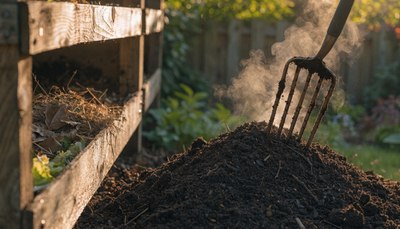
Organic artichokes thrive on biology, not bottled chemistry. Before planting, work 3–4 inches of finished compost or well-aged manure into the top 12 inches of the bed — artichokes love organic matter and it feeds the soil food web that will, in turn, feed the plant. That web of bacteria, fungi, and other microbes unlocks nutrients, builds crumb structure, and helps roots resist disease. Inoculating the root zone with a living Microbes soil inoculant at planting jump-starts that biology, colonizing new roots so your seedlings establish faster and mine nutrients more efficiently from day one. A 2–3 inch mulch of straw or shredded leaves on top keeps that living layer cool, moist, and fed.
Planting: Timing and Technique
Timing hinges on whether you're growing perennially or as an annual — and on one quirky requirement unique to first-year artichokes.
Starting Seeds Indoors
Sow seed indoors 8 weeks before your last spring frost date. Plant ¼–½ inch deep in deep cells or pots, keep the mix around 70–75°F for germination, and grow the seedlings under bright light. Artichoke seedlings grow fast and want room, so pot up as needed to avoid stunting.
Here's the trick that makes annual artichokes possible: vernalization. Artichokes only form buds after they've experienced a cold spell, which normally happens over winter. To fake it, once seedlings have several true leaves, expose them to about 10 days of temperatures between 35°F and 50°F — a cold frame, an unheated porch, or simply setting them outside during cool early-spring weather all work. Skip this step and first-year plants often just grow leaves and never produce.
Transplanting
Move plants to the garden after your last frost, once nights stay reliably above the mid-30s°F and the vernalization chill is complete. Harden them off over a week first. In perennial zones, you can also plant dormant crowns or rooted offshoots (divisions from an established plant) in early spring — these establish quickly and often crop the same year. Set transplants at the same depth they grew, water in well, and mulch.
Spacing
Give each plant 3–4 feet between plants and 4–6 feet between rows. It feels extravagant with a small seedling in hand, but a mature artichoke fills that footprint completely. Crowded plants compete for light, water, and nutrients, and poor airflow between them invites fungal disease.
Companion Planting
Because artichokes are large and long-lived, think of companions as understory neighbors that share the bed without crowding the crown. Good partners include:
- Peas and bush beans — legumes fix nitrogen, feeding these heavy-feeding neighbors, and finish before the artichoke reaches full size.
- Brassicas (cabbage, broccoli, kale) — cool-season growers that share the artichoke's love of rich soil and can occupy the edges early on.
- Sunflowers and tarragon — tall or aromatic plants that coexist well and support beneficial insects.
- Marigolds, alyssum, and other insectary flowers — draw in ladybugs, lacewings, and hoverflies that patrol for aphids.
Avoid planting artichokes where they'll be shaded out, and give them the nitrogen edge over competing heavy feeders. One bonus: if you let a few buds bloom into their spectacular purple thistle flowers, they become a magnet for bees and other pollinators.
Watering Artichokes Organically
Tender, meaty buds are mostly a product of consistent moisture. Artichokes have deep roots but big leaves that transpire heavily, so they need steady water through the growing and budding season.
Best Practices
Provide roughly 1–2 inches of water per week, more in heat, delivered deeply rather than in frequent light sprinklings — deep watering drives roots down. Drip irrigation or a soaker hose is ideal because it keeps foliage dry (discouraging fungal disease) and puts water where it counts. A generous organic mulch is your best friend here: it buffers soil moisture, moderates temperature, and cuts your watering frequency. In perennial beds, ease off water after the main harvest as plants go semi-dormant in summer heat, then resume as they regrow.
Signs of Problems
Drought stress shows up as wilting midday leaves, small buds, and — most tellingly — buds that turn tough, dry, and open prematurely. Overwatering or poor drainage does the opposite kind of damage: yellowing lower leaves, a soft or blackening crown, and stunted growth signal that roots are suffocating or rotting. When in doubt, check the soil a few inches down; it should feel like a wrung-out sponge, never waterlogged.
Organic Fertilizing Schedule for Artichokes
Artichokes are heavy feeders with a long season, so match your feeding to the plant's changing needs — lots of nitrogen while it builds its big leafy frame, then a shift toward phosphorus and potassium as buds form. You don't need all of these — Microbes, Veg, and Bloom are the core system; the rest are optional boosters for specific goals.
At Planting and Establishment
Start the biology first. Work in compost and inoculate the root zone with Microbes — mix it into the planting hole or drench it around new transplants so beneficial organisms colonize the roots immediately. Pair it with Kelp It Real, a soluble seaweed extract, as a transplant drench; its natural growth compounds ease transplant shock and cold-vernalization stress and push strong early root growth.
Vegetative Growth (Leafy Frame-Building)
Once plants take off and start building their large canopy, they want steady nitrogen. Feed every 2–3 weeks with Veg, an organic vegetative fertilizer, to fuel big, healthy leaves — the more leaf area the plant builds now, the more energy it can pour into buds later. Water it in around the root zone per the label rate.
Bud Formation and Harvest
As flower buds begin to form, shift the balance toward flowering and fruiting nutrients. Switch to Bloom, an organic flowering and fruiting feed, every 2–3 weeks through the budding period to support plump, well-formed buds. For bigger, denser harvests, add Incredible Bulk, a bloom-and-fruit booster, during peak bud production. Keep a light monthly dose of Kelp It Real going as a foliar or root feed for all-around stress resilience, especially during hot spells that can otherwise force buds open early.
Perennial Overwinter Care
In perennial zones, after harvest cut plants back, top-dress with compost, and re-inoculate with Microbes in early spring to wake the bed's biology back up before the new flush of growth.
Organic Pest Control
Healthy, well-spaced, biologically active soil is your first line of defense — vigorous plants shrug off pests that flatten stressed ones. Still, a few pests specifically target artichokes:
- Aphids (including black bean aphid and the artichoke aphid) cluster on new growth and inside bracts. Blast them off with water, encourage ladybugs and lacewings, and treat heavy infestations with insecticidal soap.
- Artichoke plume moth — the signature artichoke pest. Its larvae bore into buds and crowns, ruining them from the inside. Remove and destroy affected buds and old plant debris where the moth overwinters, and keep the bed clean; Bacillus thuringiensis (Bt) can help against young larvae.
- Earwigs hide deep in the bracts and chew the tender base. Trap them with rolled damp newspaper or shallow oil traps set at dusk.
- Slugs and snails shred young transplants overnight. Hand-pick after dark, set beer traps, or ring plants with iron-phosphate bait, which is approved for organic use.
- Cutworms and armyworms attack seedlings and foliage; collars around transplants and Bt keep them in check.
Because ants farm and protect aphids for their honeydew, controlling ants often knocks back aphids as a bonus. Inspect inside the bracts regularly — most artichoke pests hide where you can't see them at a glance.
Common Diseases and Organic Solutions
Most artichoke diseases trace back to too much moisture, poor airflow, or infected planting stock. Prevention beats cure every time.
- Botrytis (gray mold) — fuzzy gray growth on buds and dying leaves in cool, damp conditions. Improve airflow, avoid overhead watering, and remove infected tissue promptly.
- Powdery mildew — white powdery patches on leaves. Space plants well, water at the base, and treat early with a potassium-bicarbonate or diluted horticultural-oil spray.
- Verticillium wilt — a soilborne fungus that yellows and wilts one side of the plant. There's no cure; plant resistant stock, rotate away from other susceptible crops, and don't replant artichokes in infected ground.
- Crown and root rot — caused by waterlogged soil; crowns turn soft and black. The fix is prevention: excellent drainage, raised beds, and never letting the crown sit in standing water.
- Curly dwarf virus — stunts and distorts plants; spread through infected offshoots. Buy clean stock and remove and destroy any infected plants to protect the rest of the bed.
Across the board, a diverse, living soil and disciplined sanitation — clearing spent debris and never composting diseased material — prevent the large majority of problems.
Harvesting Artichokes
This is the payoff, and timing is everything. Harvest a day too late and a tender bud turns woody.
When to Harvest
Cut buds while they are still plump, firm, and tightly closed, with the outer bracts just beginning to spread slightly but before they open. Squeeze gently — a ready bud feels dense and heavy, and often gives a faint squeak. The central (terminal) bud ripens first and is the largest; harvest it, and the plant will push out a flush of smaller side buds over the following weeks. Cut with a sharp knife, leaving 1–3 inches of stem attached (the stem is edible too). Once bracts open and reveal the purple choke, the bud is past eating — but if you let one fully bloom, you'll get a striking thistle flower that pollinators adore and that dries beautifully for arrangements.
Storage and Extending the Harvest
Fresh-cut artichokes keep in the refrigerator for up to one to two weeks — store them unwashed in a loosely closed bag, and mist the stem if it dries out. For longer storage, trim and blanch the hearts, then freeze them. In perennial climates, established plants often give a spring crop and a lighter fall crop; cutting plants back and feeding after the main harvest encourages that second flush.
Common Problems and Troubleshooting
Why is my artichoke not producing any buds?
The usual culprit is missed vernalization — a first-year plant that never got its cold spell will grow lush leaves but no buds. Excess nitrogen late in the season causes the same all-leaves-no-buds behavior. Perennial plants may also simply be too young, or need dividing if an old clump has grown congested.
Why are my artichoke buds tough and opening too fast?
Almost always drought stress or heat. When plants run short on water, or temperatures spike, buds toughen and rush to open. Deepen and steady your watering, mulch heavily, and harvest promptly during hot weather — buds mature much faster in heat.
Why are the lower leaves turning yellow?
If the soil is staying wet, suspect overwatering or root and crown rot from poor drainage — check that the crown is firm, not mushy. If drainage is fine, yellowing lower leaves can signal a nitrogen shortfall during vegetative growth, which a feeding of Veg will correct.
Frequently Asked Questions
Can I grow artichokes as an annual in a cold climate?
Yes. Choose a first-year variety like Imperial Star or Colorado Star, start seed indoors about 8 weeks before your last frost, vernalize the seedlings with roughly 10 days of 35–50°F temperatures, and transplant after frost. You'll harvest in a single season and start fresh next year.
How long until artichokes are ready to harvest?
Annual plants typically produce their first buds about 85–100 days after transplanting. Perennial plants overwinter and crop in spring, then continue for years, with established clumps yielding earlier and more heavily than first-year plants.
How many artichokes will one plant produce?
A first-year plant usually gives one large central bud plus several smaller side buds. A well-established perennial plant can produce anywhere from a handful to a dozen or more buds across its spring and fall flushes.
Do artichokes come back every year?
In USDA zones 7–11 they're reliable perennials, productive for roughly five to seven years before they benefit from division. In colder zones the crown won't survive winter unprotected, so gardeners either grow them as annuals or heavily mulch and overwinter the crowns.
Are artichoke flowers edible?
The immature bud is what you eat; once it opens into its purple bloom it's no longer good eating. But those blooms are far from wasted — they're excellent forage for bees and pollinators and make dramatic cut or dried flowers, so it's worth letting a bud or two go all the way.