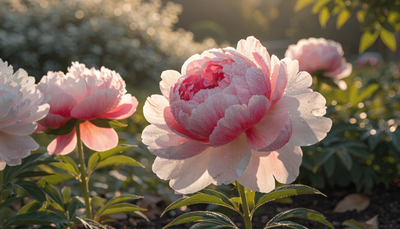
Few flowers deliver the sheer drama of a dahlia — dinnerplate blooms the size of your face, colors from soft blush to electric magenta, and a cut-and-come-again habit that keeps the vases full from midsummer straight through to frost. Growing them organically means healthier, more resilient tubers, a garden humming with pollinators, and nothing synthetic standing between you and those armloads of flowers.
Dahlias are tender perennials that grow from tubers — fleshy underground storage roots. In USDA zones 8 through 11 you can leave them in the ground year after year; in zone 7 and colder you dig and store the tubers over winter and replant each spring. Either way, the plants reward you with one of the longest, most generous bloom seasons of any flower you can grow. This guide walks you through everything from choosing cultivars to curing tubers for storage, all through an organic, soil-first lens.
Choosing the Right Dahlia Varieties
Dahlias are classified by flower form and size, and picking the right type matters far more than color when you're planning a bed. Forms include decorative and dinnerplate (the giants), ball and pompon (tight, geometric, incredibly productive), cactus and semi-cactus (spiky, star-burst petals), waterlily (elegant and flat), collarette and single (open-centered and beloved by bees), and anemone types with pincushion centers.
Understanding Size and Habit
Dinnerplate types like the famous 'Café au Lait' can reach 4 to 5 feet tall and need staking, while compact border and patio dahlias such as the 'Gallery' series or 'Happy Single' series top out under 2 feet and thrive in containers. Decide up front whether you want a few show-stopping blooms or a heavy-cropping cutting patch — ball and pompon forms give you dozens of stems, whereas dinnerplates trade quantity for spectacle.
Best Varieties for Organic Growing
Reliable, disease-tolerant cultivars that perform well without chemical crutches include:
- 'Café au Lait' — the blush-cream dinnerplate that launched a thousand weddings; vigorous and forgiving.
- 'Bishop of Llandaff' — scarlet single blooms over near-black foliage; open-centered and a magnet for bees.
- 'Cornel' and 'Cornel Bronze' — bulletproof red and warm-bronze ball dahlias that bloom nonstop and store beautifully.
- 'Thomas Edison' — rich royal-purple decorative with excellent stem strength.
- 'Sweet Nathalie' — soft peachy-pink with an old-rose look; a florist favorite.
- 'Bishop's Children' — a seed-grown strain with dark foliage and jewel-toned single flowers, perfect if you want to start from seed cheaply.
- 'Kelvin Floodlight' — a huge sunny-yellow dinnerplate that stands up to heat.
If you're a first-time grower, start with ball and single forms — they're the most productive, the most weather-resistant, and the most likely to give you an early win.
Soil Preparation
Dahlias are hungry, thirsty plants with brittle tubers, which makes soil structure just as important as fertility. Get the soil right and half your battles disappear.
Ideal Soil Conditions
Aim for a rich, loose, well-draining loam with a slightly acidic to neutral pH of 6.5 to 7.0. Drainage is non-negotiable — dahlia tubers rot in soggy ground, especially before they've sprouted. If you garden on heavy clay, plant in raised beds or work in generous amounts of compost and coarse organic matter to open up the structure. They want full sun, at least 6 to 8 hours a day, and shelter from strong wind since tall stems snap easily.
Building Living Soil
Organic dahlia growing starts with biology, not a bag of numbers. Rather than dumping in synthetic fertilizer, you're building a living soil food web that feeds the plant steadily and defends its roots. Two to three weeks before planting, work 2 to 3 inches of finished compost or aged manure into the top 8 to 12 inches of the bed. Compost adds slow-release nutrition, improves both drainage and moisture retention, and — most importantly — feeds the fungi and bacteria that make nutrients available to roots.
To kick-start that biology, inoculate at planting with Microbes. These beneficial bacteria and mycorrhizal fungi colonize the root zone, extend the plant's effective reach for water and phosphorus, and crowd out the pathogens that cause tuber rot. A living soil is the single best investment you can make in a dahlia bed — everything else builds on it.
Planting: Timing & Technique
Because dahlias are frost-tender, timing is everything. Plant too early into cold, wet soil and your tubers simply rot before they wake up.
When to Plant
Wait until all danger of frost has passed and soil temperatures have warmed to at least 60°F — typically the same window you'd plant tomatoes. In most of the country that's mid-to-late spring. If you want a head start in a short-season climate, pot tubers up indoors in 1-gallon containers 4 to 6 weeks before your last frost date, then transplant once it's warm.
Starting from Seed vs. Tubers
Most gardeners grow named varieties from tubers, since a tuber is a genetic clone of its parent. Seed-grown dahlias (like 'Bishop's Children') won't come true to type but give you a fun, inexpensive mix — start seeds indoors 6 to 8 weeks before last frost, at around 70°F, and transplant after hardening off.
Planting Technique and Spacing
Dig a hole 4 to 6 inches deep and lay the tuber on its side with the eye (the growth bud near the old stem) facing up. Drive your stake in now, before you backfill, so you don't spear the tuber later. Cover with soil but — this is the key organic-grower's rule — do not water yet. The tuber holds enough moisture to sprout on its own, and watering bare soil invites rot. Only begin watering once green shoots break the surface.
Space plants 12 to 18 inches apart for cutting-garden production, or 24 to 36 inches for large dinnerplate types that need airflow. When plants reach about 12 inches tall with three or four sets of leaves, pinch out the growing tip just above a leaf pair. This one move triggers branching and can dramatically increase your total flower count.
Companion Planting
Dahlias play well with a supporting cast that pulls in pollinators, confuses pests, and builds a more balanced ecosystem. Good companions include:
- Alliums, chives, and garlic — their scent helps deter aphids, a dahlia's number-one pest.
- Nasturtiums — act as a trap crop, luring aphids away from your prize blooms.
- Marigolds and calendula — draw in hoverflies and other beneficial predators.
- Zinnias, cosmos, and salvia — extend the pollinator buffet and look stunning alongside dahlias in the vase.
- Dill, fennel, and yarrow — host ladybugs and lacewings that clean up aphid colonies for free.
Avoid crowding dahlias against aggressive, thirsty neighbors that compete for the same water and nutrients. Give them their own generous footprint and let the companions ring the edges.
Watering Dahlias Organically
Once established, dahlias are heavy drinkers — but how and when you water makes the difference between healthy plants and a fungal mess.
Best Practices
Water deeply and infrequently, aiming for the equivalent of about 1 inch per week, more in peak summer heat. Deep soaking two or three times a week encourages roots to grow down toward moisture rather than staying shallow. Water at the base of the plant with a soaker hose or drip line and keep it off the foliage — wet leaves are an open invitation to powdery mildew and gray mold. A 2 to 3 inch layer of organic mulch (straw, shredded leaves, or compost) conserves moisture, moderates soil temperature, and suppresses weeds. Remember: hold off entirely until sprouts emerge.
Signs of Problems
Wilting in the afternoon heat is normal and usually recovers by evening; wilting that persists into cool morning hours signals either underwatering or, more ominously, tuber rot from overwatering. Yellowing lower leaves often mean soggy soil. Stunted growth with crisp, browning leaf edges points to drought stress. When in doubt, push a finger 2 inches into the soil — water only when it feels dry at that depth.
Organic Fertilizing Schedule for Dahlias
Dahlias are famous for one feeding mistake: too much nitrogen. Excess nitrogen gives you a jungle of leaves, weak floppy stems, and few flowers. The organic approach feeds the soil biology and shifts the balance toward phosphorus and potassium as the plant moves into bloom. Here's a stage-by-stage plan.
At Planting — Establish the Roots
Work compost into the bed and dust the planting hole with Microbes to inoculate the root zone from day one. Water in your first shoots with Kelp It Real, a soluble seaweed extract rich in natural growth compounds and trace minerals that support strong early root development and ease transplant stress.
Early Growth — Build the Frame (Sprout to Bud)
Once plants are actively growing and a foot tall, feed with a light hand of Veg to support healthy foliage and sturdy stems. Go easy — you want a solid green frame, not runaway leaf growth. One or two feeds during this stage is plenty.
Bud Set & Peak Bloom — Fuel the Flowers
As flower buds begin to form in midsummer, switch to Bloom, which delivers the higher phosphorus and potassium dahlias crave for abundant, well-colored flowers. Feed every 2 to 3 weeks through the bloom season. For bigger, longer-lasting flowers — especially on show and dinnerplate types — add Incredible Bulk during peak bloom to push size and vase life. Keep Kelp It Real in rotation as a foliar spray during heat waves to boost stress resilience and keep plants productive.
Late Season — Let Tubers Harden
Stop feeding about 4 to 6 weeks before your first expected frost. Easing off lets the plant redirect energy into fattening and hardening the tubers for winter storage rather than pushing tender new growth.
You don't need all of these — Microbes, Veg, and Bloom are the core system; the rest are optional boosters for specific goals. If you're just getting started, run the three essentials and add Kelp It Real and Incredible Bulk later once you're chasing bigger blooms or growing for the show table.
Organic Pest Control
Dahlias attract their share of visitors, but a biologically balanced garden keeps most in check. Know the usual suspects:
- Aphids — cluster on new growth and buds, and worse, they transmit dahlia mosaic virus. Blast them off with a strong jet of water, encourage ladybugs and lacewings, and spot-treat heavy infestations with insecticidal soap or neem oil.
- Earwigs — the classic dahlia villain, chewing ragged holes in petals and foliage overnight. Trap them in rolled-up damp newspaper or upturned flowerpots stuffed with straw, then empty the traps each morning.
- Slugs and snails — devastating to young shoots in spring. Hand-pick at night, set beer traps, or ring plants with iron-phosphate bait, which is organic-approved.
- Spider mites — thrive in hot, dry, dusty conditions, stippling leaves yellow. Raise humidity, spray undersides of leaves with water, and use neem if needed.
- Thrips — cause streaked, distorted blooms and spread viruses; sticky traps and beneficial predators help.
- Japanese and cucumber beetles — hand-pick into soapy water in the cool morning when they're sluggish.
The best prevention is a diverse, well-fed garden. Healthy plants growing in living soil shrug off pest pressure that would flatten a stressed, over-fertilized plant, and companion flowers keep a standing army of predators on patrol.
Common Diseases and Organic Solutions
Most dahlia diseases are fungal or viral, and nearly all are prevented by airflow, dry foliage, and good sanitation.
- Powdery mildew — a white powdery coating on leaves, common in late summer. Space plants for airflow, water at the base, and treat early with a potassium-bicarbonate or diluted neem spray. Remove badly affected leaves.
- Botrytis (gray mold) — fuzzy gray rot on blooms and buds in wet, humid weather. Deadhead spent flowers promptly and improve air circulation; remove and discard infected tissue.
- Dahlia mosaic virus — causes mottled, streaked, or stunted foliage; spread by aphids and incurable. Control aphids, buy clean stock, and dig and destroy infected plants — never propagate from them.
- Verticillium wilt — a soil-borne fungus that wilts and yellows one side of the plant. Practice crop rotation and don't replant dahlias in known infected ground.
- Tuber rot in storage — soft, moldy tubers over winter. Prevent by curing tubers well, dusting with cinnamon or sulfur, and storing in a cool, dry, airy medium.
Sanitation is your strongest organic tool: clean your snips between plants, clear fallen debris, and never compost diseased material.
Harvesting Dahlias
Dahlias are the ultimate cut-and-come-again flower — the more you cut, the more they bloom. Regular harvesting and deadheading keep plants in production right up to frost.
When to Harvest
Unlike many cut flowers, dahlias do not continue opening after cutting, so harvest when the bloom is nearly or fully open. Cut in the cool of early morning, choosing stems where the flower is three-quarters to fully open and the back petals are still firm and fresh. Cut deep into the plant — long stems encourage longer, branching stems next time. Learn to tell a spent bloom (soft, pointed, cone-shaped seed head) from a fresh bud (round and firm) so your deadheading doesn't accidentally remove tomorrow's flowers.
Vase Life and Extending the Season
Strip lower leaves, plunge stems immediately into cool water, and expect 4 to 7 days of vase life. Change the water every couple of days for the longest display. To extend your growing season, keep deadheading religiously and feed with Bloom through late summer — dahlias will pump out flowers until the first hard frost blackens the foliage.
Digging and Storing Tubers
In zones 7 and colder, dig and store tubers for winter. After the first frost kills the top growth, cut stems to about 4 inches and leave the tubers in the ground for 1 to 2 weeks to cure and set their eyes. Then dig carefully with a fork, well away from the crown, rinse off soil, let them dry, and store the clumps in bins of slightly damp vermiculite, peat, or wood shavings at 40 to 50°F. Check occasionally through winter and discard any that soften or mold. In zones 8 to 11, simply cut back and mulch heavily to overwinter in place.
Common Problems and Troubleshooting
Why is my dahlia all leaves and no flowers?
The classic sign of too much nitrogen. Stop any high-nitrogen feeding, switch to Bloom, and make sure the plant is getting a full 6 to 8 hours of direct sun — shade is the other common cause of leafy, flowerless dahlias.
Why did my tubers rot before sprouting?
Almost always cold, wet soil or premature watering. Dahlias need warm (60°F-plus) soil and no supplemental water until shoots emerge. Improve drainage with compost or raised beds, and be patient with your planting date.
Why are my flower stems weak and floppy?
Weak stems come from excess nitrogen, insufficient light, or a lack of support. Feed for bloom rather than foliage, stake tall varieties at planting time, and don't skip that early pinch — branched plants carry their flowers on stronger, more numerous stems.
Frequently Asked Questions
Do dahlias come back every year?
Yes, in USDA zones 8 through 11, where tubers survive winter in the ground. In zone 7 and colder they're grown as tender perennials — dig and store the tubers over winter, then replant in spring for years of blooms from the same stock.
How long do dahlias take to bloom?
Expect first flowers roughly 8 to 12 weeks after planting tubers, typically from midsummer onward, with bloom continuing right up to the first fall frost. Pinching early delays the very first bloom slightly but dramatically increases total flower production.
Do I need to stake my dahlias?
Tall decorative and dinnerplate types (3 feet and up) definitely need staking or corralling — their stems are hollow and brittle and snap in wind or under the weight of big blooms. Drive stakes in at planting to avoid spearing tubers later. Compact border and patio dahlias generally support themselves.
Can I grow dahlias in containers?
Absolutely. Choose compact varieties like the 'Gallery' or 'Happy Single' series, use a pot at least 12 to 14 inches wide with excellent drainage, fill with a rich organic potting mix amended with compost and Microbes, and water and feed a little more often than in-ground plants since containers dry out and leach nutrients faster.
Is it better to grow dahlias from seed or tubers?
Tubers are the way to go if you want a specific named variety, since they clone the parent exactly. Seeds are inexpensive and fun for a surprise mix of colors and forms, but the offspring won't match any particular cultivar. Many gardeners grow from seed one year, then save the best tubers to replant.