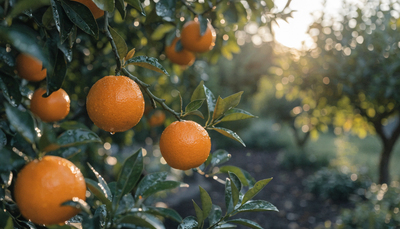
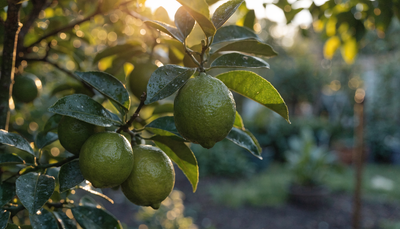
Few fruits reward an organic gardener like the gooseberry. This tough, cold-hardy shrub shrugs off winters that would kill a peach tree, tolerates part shade where most fruit sulks, and hands you pounds of tart-sweet berries from a single bush for fifteen to twenty years. Picked green, they make the legendary pies, jams, and fools of old cottage gardens; left to hang until soft, dessert varieties turn honey-sweet and grape-like — a flavor you almost never find in a store, because ripe gooseberries are too fragile to ship.
Gooseberries are also a genuinely low-input crop, which makes them a natural fit for a living-soil approach. Feed the soil biology, keep the roots cool and evenly moist, prune for airflow, and a healthy bush largely takes care of itself. This guide covers variety selection, soil building, planting, watering, an organic feeding schedule, and the handful of pests and diseases worth knowing.
Jump straight to the organic feeding schedule →
Choosing the Right Gooseberry Varieties
Gooseberries (Ribes uva-crispa and the American Ribes hirtellum) are cold-loving perennials, thriving in USDA zones 3–8. They want winter chill and resent long, hot, humid summers, so in the warmer end of that range give them afternoon shade and heavy mulch. Variety choice is the biggest decision you'll make — it sets your flavor, your disease pressure, and whether you'll pick with gloves or bare hands.
European vs. American Gooseberries
European types (from R. uva-crispa) produce the largest, most flavorful dessert berries but are more prone to American gooseberry mildew. American and hybrid types carry smaller berries with much stronger mildew resistance and better heat tolerance — usually the smarter organic choice in North America.
Best Varieties for Organic Growing
- Invicta — Heavy-cropping green culinary berry with excellent mildew resistance; the workhorse of organic gooseberries (very thorny, though).
- Hinnonmäki Red — Finnish-bred, aromatic sweet-tart red with strong cold hardiness and good disease resistance; superb fresh or cooked.
- Hinnonmäki Yellow — Yellow-green sister variety with a distinctive fragrant, almost apricot-like flavor when fully ripe.
- Poorman — Reliable American red, sweet enough to eat off the bush, adaptable and forgiving for beginners.
- Black Velvet — A hybrid gooseberry with rich, wine-dark berries and a deep, complex, almost currant-like flavor.
- Careless — Classic English pale-green culinary variety, large and heavy-cropping, the traditional pick for pies and preserves.
Thornless and Beginner-Friendly Picks
Thorns are the gooseberry's one real drawback. If you'd rather not fight them, look for Captivator (nearly thornless, red, mildew-resistant) or Pixwell (nearly thornless, very cold-hardy, pink when ripe, and forgiving of poor soil). Jeanne is another standout for organic growers, bred specifically for resistance to both mildew and leaf spot.
Soil Preparation
Gooseberries are shallow-rooted and moisture-loving, so the soil's job is to hold water without ever going waterlogged. Get this right before you plant — you're setting up a bush that may live two decades in the same spot.
Ideal Soil
- pH: 6.0–6.8 (slightly acidic to neutral) is the sweet spot.
- Texture: A deep, moisture-retentive loam is ideal. They tolerate heavier clay better than most fruit, but break it up and add organic matter for drainage.
- Organic matter: Aim for a rich 4–6%, worked into the top 8–12 inches — this is what keeps those shallow roots cool and evenly moist.
- Drainage: Good, but never bone-dry. Gooseberries hate both standing water and drought; consistent moisture is the goal.
Building Living Soil
The organic secret to trouble-free gooseberries isn't a bottle of anything — it's a soil full of life. A thriving population of bacteria, fungi, and earthworms delivers a slow, steady trickle of nutrients, buffers moisture, and helps the plant defend itself against disease. Build that foundation before you plant:
- Dig in compost. Work 3–4 inches of finished composting material into the planting area. This is the backbone of living soil — it feeds the biology, improves structure, and holds water.
- Inoculate the root zone with microbes. Gooseberry roots partner with beneficial fungi and bacteria that extend their reach for water and phosphorus. A full-spectrum microbial inoculant mixed into the planting hole gets that partnership working from day one.
- Grow your own fertility. In the season before planting, sow cover crops and green manures like clover or vetch, then turn them in — free nitrogen and organic matter that jump-starts soil life.
- Mulch heavily and permanently. A thick blanket of straw, leaf mold, or wood chips keeps roots cool and moist, suppresses weeds, and slowly feeds the soil as it breaks down. Renew it every year.
Planting: Timing & Technique
When to Plant
Plant bare-root gooseberries while they're dormant — late fall through early spring, any time the soil isn't frozen or waterlogged. Fall planting in milder areas lets roots establish before the spring push. Container-grown plants can go in almost any time the ground is workable, but dormant-season planting always establishes best. Choose a site with full sun to part shade (gooseberries are one of the few fruits that will still crop with only half a day of sun) and good air circulation to keep mildew at bay.
How to Plant
- Spacing: Set bushes 4–5 feet apart, in rows 5–6 feet apart. Grown as cordons (single upright stems trained on wire), space them just 12–18 inches apart.
- Depth: Plant at the same depth the bush grew in the nursery, spreading the roots out in a wide hole. Bushes grown "on a leg" (a short clear stem) should keep that leg above the soil for airflow.
- Firm and water: Backfill with your compost-enriched soil, firm gently, and water in well to settle the roots.
- Mulch immediately: Ring the plant with 3–4 inches of mulch, keeping it a couple inches back from the stem.
Starting from Seed vs. Bare-Root
Nearly every gardener starts gooseberries from bare-root bushes or hardwood cuttings, and for good reason: seed-grown plants don't come true to the parent variety and take years longer to fruit. If you want to experiment anyway, gooseberry seed needs a period of cold stratification to break dormancy — our guide to starting seeds indoors covers the technique. For a predictable harvest, though, buy a named bare-root variety or root a cutting from a friend's bush in late fall.
Companion Planting
Gooseberries play well with plants that repel their pests, draw in beneficial insects, or feed the soil around their shallow roots. A few proven partners:
- Chives, garlic, and other alliums — their scent helps deter aphids, and many growers swear they reduce mildew pressure when planted at the base of the bush.
- Tansy and yarrow — attract ladybugs, lacewings, and parasitic wasps that hunt aphids and sawfly larvae.
- Comfrey — a deep-rooted nutrient accumulator; chop-and-drop the leaves as a potassium-rich mulch that gooseberries love.
- Low-growing legumes like clover — fix nitrogen and act as a living mulch over the root zone.
Keep gooseberries and other Ribes well away from white pines (five-needle pines), which are the alternate host for white pine blister rust. For a fuller playbook on pairing plants to build resilience, see our companion planting guide.
Watering Gooseberries Organically
Consistent moisture is the make-or-break factor for gooseberries. Their shallow roots dry out fast, and drought stress is the fastest route to powdery mildew, split fruit, and premature berry drop.
- Amount: About 1–1.5 inches of water per week, and more during hot spells and while fruit is swelling.
- Method: Use drip irrigation or a soaker hose. Overhead watering wets the foliage and invites mildew — keep the leaves dry.
- Timing: Water in the morning so any splashed foliage dries quickly through the day.
- Mulch is half the battle: A thick organic mulch dramatically cuts how often you need to water by holding soil moisture and moderating root temperature.
The most critical window runs from flowering through fruit development. Let the bush go dry during fruit swell and you'll get small, seedy berries and a lot of drops.
Organic Fertilizing Schedule for Gooseberries
Gooseberries are light-to-moderate feeders. The goal isn't to force them with heavy nitrogen — that just produces soft, mildew-prone growth — but to keep the soil biology fed and to shift the nutrient balance toward flowers and fruit as the season turns. Here's how to feed by stage. Remember the golden rule: you don't need all of these — Microbes, Veg, and Bloom are the core; the rest are optional boosters.
At Planting & Every Spring (Foundation)
Mix a microbial inoculant into the planting hole, then reapply as a soil drench around the base each spring as growth begins. How to use: drench the root zone once at planting and once a year in early spring to keep the living-soil engine running. This is the one product a gooseberry never outgrows.
Early Spring — Leaf-Out (Vegetative Push)
As buds break and new canes and leaves emerge, feed with an organic vegetative fertilizer to fuel healthy green growth. How to use: apply as a soil drench or side-dressing every 2–3 weeks through the spring flush, then ease off — you want steady growth, not a nitrogen surge.
Flowering Through Fruit Set (Bloom)
When flower buds appear, switch to an organic bloom fertilizer. The higher phosphorus and potassium support strong flowering, good fruit set, and better flavor. How to use: drench every 2 weeks from first bloom through the start of fruit swell.
Fruit Sizing (Optional Power-Up)
For bigger, denser harvests, add Incredible Bulk as the berries fatten. How to use: apply during peak fruit swell per label directions. This is a booster, not a necessity — skip it and your bush will still crop well on Bloom alone.
Season-Long Stress Insurance (Optional Power-Up)
A foliar spray or drench of Kelp It Real seaweed extract supports root growth and stress resilience — especially useful through summer heat, after transplanting, or any time the plant looks tired. How to use: foliar-feed or drench every 2–4 weeks; the trace minerals and natural growth compounds help fruit size and firmness too.
After Harvest & Into Fall
Once picking wraps, a light feed helps the bush build next year's flower buds — but back off the nitrogen as fall approaches so the wood hardens before winter. There's no "flush" in organic growing; you simply ease off. Let the annual mulch and spring microbe drench carry the plant into dormancy.
Organic Pest Control
Gooseberries have a short list of pests, but a couple can strip a bush shockingly fast. Scout weekly — early detection is everything in organic control. For the full toolkit, see our organic pest control guide.
Gooseberry Sawfly
The number-one gooseberry pest by a wide margin. The pale green, black-spotted larvae of the imported currantworm (Nematus ribesii) hatch in the center of the bush and eat outward, capable of defoliating a plant to bare stems in days. Check leaf undersides from mid-spring, especially in the crown. Handpick larvae, encourage predatory wasps and birds, and for heavy infestations use an OMRI-listed spinosad product. Important: Bt (Bacillus thuringiensis) does not work on sawfly larvae — despite looking like caterpillars, sawflies aren't moths or butterflies, and Bt only affects true caterpillars.
Aphids
Currant aphids cause reddish, puckered blistering and cupping of new leaves in spring. Blast them off with a strong jet of water, encourage ladybugs and lacewings, and use insecticidal soap or neem oil for stubborn colonies. Alliums planted nearby help deter them.
Currant Borer & Fruitworms
The currant borer moth tunnels into canes, causing them to wilt and die — prune out and destroy affected canes. Gooseberry fruitworm larvae web berries together and hollow them out; remove damaged clusters and clean up debris to break the cycle.
Birds
Birds adore ripe gooseberries. Netting during the ripening window is the only reliable defense once the berries begin to color.
Common Diseases & Organic Solutions
American Gooseberry Mildew (Powdery Mildew)
- Symptoms: A white, felt-like powder on new shoots, leaves, and berries that later turns brown and felted; distorted growth.
- Prevention: Grow resistant varieties (Invicta, Captivator, Hinnonmäki types), prune to an open goblet shape for airflow, avoid overhead watering, and never over-feed with nitrogen.
- Treatment: Prune out infected tips, then spray with potassium bicarbonate or a diluted milk solution at first sign; repeat weekly.
Leaf Spot (Anthracnose)
- Symptoms: Small dark spots on leaves that yellow and drop early, weakening the bush over time.
- Prevention: Rake up and destroy fallen leaves in autumn (the fungus overwinters there), and mulch to stop spores splashing up.
- Treatment: Improve airflow; a copper-based organic fungicide can help in wet seasons. Note that many gooseberry varieties are sulfur-sensitive ("sulfur-shy"), so avoid sulfur sprays unless you know your variety tolerates them.
White Pine Blister Rust
- Symptoms: Orange pustules on leaf undersides. Ribes plants are an alternate host for this rust, which is destructive to white pines.
- Prevention: Don't plant near white pines, and choose rust-resistant varieties. Some U.S. states or counties still restrict growing Ribes — check your local regulations before planting.
Harvesting Gooseberries
One of the gooseberry's best tricks is that it gives you two harvests from one crop, depending on when you pick.
- The culinary pick (early): Gather berries while still green, firm, and tart — perfect for pies, jams, chutneys, and the classic gooseberry fool. Thinning out roughly half the crop at this stage does double duty: you get cooking fruit now, and the berries you leave behind size up bigger and sweeter.
- The dessert pick (later): Leave the rest to ripen fully. Over the following weeks they soften, blush to their final color, and turn sweet enough to eat straight off the bush.
Ripe dessert berries give slightly when gently squeezed. Wear thick gloves or long sleeves for thorny varieties, and harvest into shallow containers so the soft fruit doesn't crush. A mature, well-tended bush yields roughly 5–10 pounds of fruit a year.
Common Problems & Troubleshooting
Why is my gooseberry bush covered in white powder?
That's American gooseberry mildew, almost always triggered by poor airflow, drought stress, or too much soft nitrogen-fueled growth. Prune out affected tips, open up the center of the bush, water at the roots (never overhead), keep the mulch and moisture consistent, and spray potassium bicarbonate at first sign. Long term, replace highly susceptible bushes with resistant varieties.
Why did my gooseberry lose all its leaves overnight?
Almost certainly gooseberry sawfly larvae, which can skeletonize a bush in a day or two working from the inside out. Check the leaf undersides in the crown of the plant — you'll find the green, black-spotted larvae there. Handpick them and use spinosad if needed. Don't reach for Bt; it won't touch sawfly. A bush stripped in early summer will usually re-leaf and recover if you feed it and keep it watered.
Why is my gooseberry dropping its fruit before it ripens?
The usual culprit is inconsistent watering — gooseberries drop fruit when they dry out during the swelling stage. Other causes are a late frost that damaged the blossoms, or heavy nitrogen that pushed leaves at the expense of fruit. Keep soil evenly moist with deep mulch, protect early blooms from frost, and lean on Bloom rather than high-nitrogen feed once flowering starts.
Frequently Asked Questions
Do gooseberries need a second bush to fruit?
No — gooseberries are self-fertile, so a single bush will set a full crop on its own. That said, planting more than one variety nearby, and encouraging bees and other pollinators, tends to improve fruit set and berry size.
How long before a gooseberry bush produces fruit?
A bare-root bush usually gives you a light crop in its second year and hits full production by years three to four. From then on it stays reliably productive for well over a decade with annual pruning and feeding.
Can I grow gooseberries in containers?
Yes, and they do well in them. Use a pot at least 15–18 inches wide with excellent drainage, and consider a variety trained as a standard (on a single stem) for a tidy, productive patio plant. Container bushes dry out faster, so watch watering closely and feed a little more often, since the limited soil depletes quicker.
Do gooseberries need full sun?
They'll crop best in full sun, but gooseberries are unusually shade-tolerant for a fruit and will still produce a worthwhile harvest with just a half-day of sun. In hot climates, a spot with afternoon shade is actually preferable — it reduces heat stress and mildew.
Is it legal to plant gooseberries where I live?
In most places, yes — but because Ribes plants can host white pine blister rust, a few U.S. states and counties still restrict or ban growing them, especially near commercial pine forests. Gooseberries are generally lower-risk than black currants, but it's worth a quick check with your local extension office before you plant.
Continue Growing
Explore more organic growing guides from the Growganica Lab:
Browse our full organic plant supplement lineup or check the feeding schedule for product application rates.