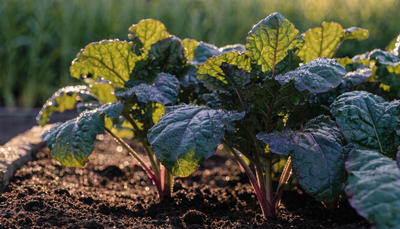
Growing kohlrabi organically rewards you with sweet, crisp, faintly nutty bulbs you'll rarely find fresh in any supermarket — and it builds the living soil underneath while you do it. This oddball member of the cabbage family is one of the fastest, most forgiving vegetables in the garden, shrugging off cold that flattens tender crops and going from seed to harvest in as little as seven or eight weeks.
Whether you're squeezing a quick spring crop in before the tomatoes take over or planting a big fall patch for storage, this guide covers it all: varieties, biology-rich soil, timing around your frost dates, feeding through each growth stage, and outsmarting the brassica pests. Kohlrabi is genuinely beginner-friendly, but a few organic-specific habits make the difference between woody, cracked bulbs and the tender, apple-crisp ones that convert skeptics.
Choosing the Right Kohlrabi Varieties
Kohlrabi comes in two broad color groups — green (often labeled "white") and purple — plus a category of oversized storage types bred to stay tender even at softball size. The color is only skin-deep; the flesh of every variety is pale creamy-white and mild. Purple types tend to be a touch hardier and a little slower, while green types are usually the quickest to mature. Match the variety to your season: fast cultivars for tight spring windows, larger storage types for a fall crop you want to keep for weeks.
Standard Green and Purple Types
- Early White Vienna — the classic pale-green heirloom, ready in about 55 days, reliable and sweet when harvested young.
- Early Purple Vienna — its purple-skinned twin, slightly more cold-tolerant and a beautiful cool-season crop.
- Kolibri — a deep-purple F1 hybrid prized for uniform, smooth bulbs and strong bolt resistance; an excellent all-rounder.
- Azur Star — a fast, early purple variety that sizes up quickly, ideal for spring succession sowing.
Best Varieties for Organic Growing
For an organic garden, prioritize vigor and bolt resistance — a strong, fast-establishing plant outcompetes pests and shrugs off stress without chemical crutches. Kolibri and Winner are dependable hybrids that hold quality even if you're a few days late harvesting. For fall storage, reach for the giant tender types: Kossak and Gigante (also sold as Superschmelz) can reach 8 inches or more across yet stay crisp and un-woody — one plant can feed a whole family. Keep a couple of quick heirlooms like Early White Vienna in the rotation for fresh eating and seed-saving.
Soil Preparation
Kohlrabi is a brassica, and brassicas are hungry, fast-growing feeders that pack an entire life cycle into a couple of months. That swollen "bulb" is actually a compressed stem, so smooth, uninterrupted growth is everything — steady nutrition and steady moisture from day one. Rushed or hungry kohlrabi turns woody and hot-flavored. The fix isn't a bag of synthetic salts; it's rich, biologically alive soil that buffers moisture and drip-feeds nutrients on the plant's schedule.
Ideal Soil Conditions
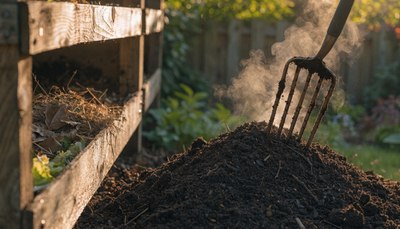
Aim for a loose, well-drained loam generously amended with finished compost. Kohlrabi prefers a soil pH between 6.0 and 6.8 — slightly acidic to neutral. Holding pH toward the upper end of that range, rather than letting the soil turn strongly acidic, also helps suppress clubroot, the brassica family's worst soilborne disease, so it's worth a cheap soil test before you plant. Brassicas are notably sensitive to boron deficiency, which shows up as hollow, brown-streaked stems; a balanced compost and a kelp-based feed usually supply enough of this trace mineral without any need to add it separately. Work in 2 to 3 inches of compost across the bed and loosen the top 8 to 10 inches so those shallow roots can spread.
Building Living Soil
Healthy kohlrabi starts with biology, not just fertility. A thriving population of beneficial soil bacteria and other microbes unlocks phosphorus, cycles nitrogen, and steadily converts organic matter into plant-available food — exactly the self-regulating supply a fast brassica craves. (Brassicas barely form the mycorrhizal partnerships many crops rely on, so here it's the bacterial side of the soil food web doing the heavy lifting.) Feed that biology with compost, keep the soil covered with a light mulch, and disturb it as little as possible. At planting, inoculate the root zone with Microbes to establish that partnership from the very first day; it's the foundation the rest of the feeding plan builds on. Avoid fresh manure and quick synthetic nitrogen — both push soft, sappy growth that aphids and flea beetles home in on.
Planting: Timing & Technique
Kohlrabi is a cool-season annual, so you plan it around frost dates, not hardiness zones. It thrives in the 40–75°F range and turns bitter or bolts in sustained heat, which means there are two prime windows: an early-spring crop and — often the better one — a fall crop that matures into cooling weather. A light frost actually sweetens the bulbs, so don't rush to pull the fall planting.
Starting Seeds Indoors
For a spring crop, start seeds indoors about 4 to 6 weeks before your last expected frost. Sow ¼ inch deep in cell trays of quality organic mix, keep them at 65–70°F, and they'll germinate in 4 to 7 days. Give the seedlings bright light so they stay stocky, and harden them off over a week before setting out. Kohlrabi transplants can go into the garden 2 to 4 weeks before your last frost — they tolerate temperatures down into the high 20s°F once acclimated.
Direct Sowing and Transplanting
Kohlrabi also direct-sows beautifully, since it dislikes root disturbance. For a fall crop, sow seeds directly in the garden about 8 to 10 weeks before your first fall frost, then thin to final spacing. When transplanting, set plants at the same depth they grew in the cell — don't bury the stem, or you'll lose the very part you're growing. Water them in with a diluted dose of Kelp It Real to ease transplant shock and get roots moving fast.
Spacing
Give standard varieties 4 to 6 inches between plants with rows about 12 inches apart. The giant storage types (Kossak, Gigante) need more elbow room — space them 10 to 12 inches apart so each bulb can size up. Proper spacing keeps air moving through the canopy, which is your first and best defense against the fungal diseases that thrive in crowded, humid brassica beds.
Companion Planting
Thoughtful neighbors make organic kohlrabi easier. Because it's a fast, shallow-rooted crop with a compact top, it slots into gaps around slower vegetables and thrives in diverse plantings that confuse pests and pull in beneficial insects.
- Aromatic herbs — dill, chamomile, and mint (keep mint in a pot) mask the brassica scent that cabbage pests track by smell, and their flowers feed the parasitic wasps that hunt cabbageworms.
- Alliums — onions, leeks, and garlic deter aphids and cabbage-loving pests with their pungency.
- Beets, lettuce, and spinach — quick, low crops that share kohlrabi's cool-season timing without competing for the same root space.
- Nasturtium — a classic trap crop that lures aphids and flea beetles away from your bulbs.
Avoid planting kohlrabi near tomatoes, pole beans, or strawberries, which are traditional poor partners. And don't crowd it with other brassicas (broccoli, cabbage, kale) if you can help it — clustering the family concentrates shared pests and diseases and makes rotation harder next season.
Watering Kohlrabi Organically
Consistent moisture is the single biggest factor in tender, crack-free kohlrabi. That fast-swelling stem needs water to keep pace with its growth; let the soil swing dry and then flood it, and the bulbs respond by turning woody or splitting.
Best Practices
Give kohlrabi about 1 to 1½ inches of water per week, adjusting up in heat and sandy soil. Water deeply and evenly rather than in frequent shallow sips, and deliver it at the soil line with a drip line or soaker hose to keep the foliage dry — wet leaves invite downy mildew and leaf spot. A 1 to 2 inch layer of straw or shredded-leaf mulch is your best friend here: it buffers soil moisture, keeps roots cool, and smooths out the swings that make bulbs tough.
Signs of Problems
Watch for these tells: cracked or split bulbs almost always mean uneven watering — a dry spell followed by a heavy soak. Woody, fibrous flesh points to drought stress or bulbs left in the ground too long. Wilting in the afternoon heat that recovers overnight is normal; wilting that persists into the morning signals either underwatering or, in warm soil, cabbage root maggot damage worth investigating. When plants are stressed by heat or cold snaps, a foliar spray of Kelp It Real helps them hold up until conditions ease.
Organic Fertilizing Schedule for Kohlrabi
Kohlrabi is a heavy feeder with a short runway, so the goal is steady, plant-available nutrition all the way through — heavy on nitrogen early to build the leaf canopy that powers bulb formation, then a shift toward potassium as the stem swells for firm, sweet bulbs. Organic feeding shines here because it releases nutrients gradually and won't push the soft, sappy growth that pests exploit. You don't need all of these — Microbes, Veg, and Bloom are the core system; the rest are optional boosters for specific goals.
At Planting — Establish the Biology
Inoculate the root zone with Microbes at sowing or transplant to colonize the roots and switch on nutrient cycling from day one. Water transplants in with a diluted Kelp It Real drench to reduce shock and spark early root growth.
Vegetative Stage — Build the Canopy
Once seedlings are established and putting out true leaves, feed with Veg every 10 to 14 days. This nitrogen-forward feed drives the lush foliage that photosynthesizes the sugars your bulb will later store — big, healthy leaves now mean big, sweet bulbs later. For an extra push during rapid growth or after a cold snap, a foliar spray of Kelp It Real delivers fast-acting micronutrients and natural growth compounds for quick, resilient leafy growth.
Bulbing Stage — Firm, Sweet Bulbs
When the stem base starts to swell (roughly the size of a large marble), shift to Bloom to supply the potassium and phosphorus that firm up the bulb, deepen sweetness, and improve storage quality. Feed every 10 to 14 days through bulbing. To guard against the hollow-stem and cracking issues brassicas are prone to — and to add a layer of natural pest defense — top-dress with King Krustacean, which supplies calcium for solid cell walls while its chitin content stimulates the plant's own defenses and deters soft-bodied soil pests.
Organic Pest Control
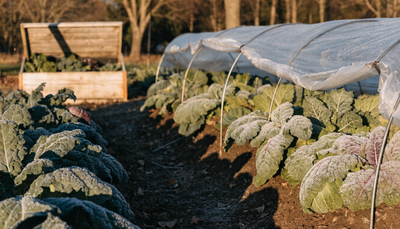
Kohlrabi shares the cabbage family's roster of pests, but its speed is a built-in advantage — a fast crop simply spends less time exposed. The best organic strategy is prevention: floating row cover laid over hoops right after planting is the single most effective tool in the brassica bed, excluding nearly every pest while letting light and water through.
- Flea beetles — tiny black beetles that riddle young leaves with shot-hole pinpricks. Row cover on seedlings stops them cold; a light dusting of kaolin clay also deters them.
- Cabbage aphids — gray-green clusters on new growth and leaf undersides. Blast them off with a strong water spray, encourage ladybugs and lacewings, and use insecticidal soap for heavy infestations.
- Imported cabbageworm and cabbage looper — velvety green caterpillars from those white and brown moths. Hand-pick, and treat with Bacillus thuringiensis (Bt), an organic-approved biological that targets caterpillars only.
- Cabbage root maggot — larvae that tunnel the roots, causing sudden wilting. Prevent with row cover and firm-fitting cardboard collars around transplant stems to block egg-laying.
- Harlequin bugs and slugs — hand-pick harlequin bugs; trap slugs with shallow beer dishes or iron-phosphate bait, and keep mulch pulled back from stems in wet spells.
Rotate brassicas to a new bed each year and clear crop debris after harvest to break pest life cycles before they build.
Common Diseases and Organic Solutions
Most kohlrabi diseases are preventable with the organic fundamentals: living soil, good spacing, dry foliage, and a three- to four-year rotation away from all brassicas.
- Clubroot — a soilborne pathogen that swells and deforms roots, stunting the plant. It's persistent, so prevention is key: raise pH toward neutral with lime if you've had it, ensure good drainage, and rotate strictly. Never move soil from an infected bed.
- Black rot — a bacterial disease showing as yellow, V-shaped lesions at leaf edges with blackened veins. Use clean seed, avoid overhead watering, don't work among wet plants, and remove infected plants promptly.
- Downy mildew — yellow patches on top of leaves with gray, fuzzy growth beneath, favored by cool, damp, crowded conditions. Improve airflow with proper spacing, water at the soil line, and remove affected leaves.
- Alternaria leaf spot — dark, concentric-ringed target spots on leaves. Space plants well, keep foliage dry, and clean up debris; a copper-based organic fungicide can help in severe cases.
- Damping-off — collapse of seedlings at the soil line. Use sterile seed-starting mix, don't overwater, and give young plants good air circulation.
Harvesting Kohlrabi
Harvesting at the right size is what separates crisp, sweet kohlrabi from the tough, hot-flavored reputation the vegetable sometimes gets undeservedly.
When to Harvest
Pick standard varieties when the bulb reaches 2 to 3 inches across — roughly golf-ball to tennis-ball size. This is the tender sweet spot; larger standard bulbs turn woody. Cut the stem at the soil line with a sharp knife rather than pulling. The giant storage types are the exception: Kossak and Gigante stay crisp up to 8 inches or more, so you can let those size up substantially. Kohlrabi that matures in cool fall weather is noticeably sweeter, and a light frost only improves the flavor — don't rush the fall crop.
Storage and Extending the Season
Trim off the leaves (they're excellent cooked like collards, so don't toss them) and store the bulbs in the refrigerator, where standard types keep 2 to 3 weeks and storage types hold for a month or two. In a cool, humid root cellar around 32–40°F, the giant storage varieties can last well into winter — the reason they were bred. To extend the season, succession-sow a fresh batch every 2 to 3 weeks in spring and again in late summer, and use row cover or a low tunnel to push the fall harvest past the first frosts.
Common Problems and Troubleshooting
Why is my kohlrabi woody and tough?
Two usual culprits: bulbs left in the ground too long, or inconsistent watering and heat stress. Harvest standard types at 2 to 3 inches, keep soil evenly moist with mulch, and grow through cool weather rather than summer heat. Woody bulbs are the plant's response to stress, not a variety flaw.
Why did my kohlrabi bolt without forming a bulb?
Bolting (premature flowering) is triggered by heat and by cold shock to young transplants. If seedlings under about 2 inches tall are exposed to a stretch below 50°F, many varieties read it as a completed winter and rush to seed. Time plantings to avoid both temperature extremes, harden off gently, and choose bolt-resistant hybrids like Kolibri or Winner.
Why are my bulbs cracking?
Cracking is almost always uneven moisture — a dry period followed by heavy rain or watering causes the bulb to swell faster than its skin can stretch. Consistent watering and a good mulch layer prevent it. Harvesting a little earlier during wet spells also helps.
Frequently Asked Questions
Do you eat kohlrabi raw or cooked?
Both. Peeled and sliced raw, it's crisp and sweet like a milder broccoli-stem-meets-apple — great in slaws and with dips. Cooked, it roasts, sautés, mashes, and adds body to soups. The leaves are edible too, cooked like kale or collards.
How long does kohlrabi take to grow?
Most standard varieties mature in 45 to 60 days from transplanting, making it one of the fastest vegetables in the garden. Giant storage types take longer, often 70 days or more, but reward the wait with a much larger, still-tender bulb.
Does kohlrabi grow above or below ground?
Above ground. Unlike a true root vegetable, kohlrabi's edible "bulb" is a swollen stem that forms right at the soil surface, sitting on top of the ground with the leaves radiating out of it — which is exactly why you don't hill soil up around it.
Can kohlrabi tolerate frost?
Yes, and it prefers cool weather. Established plants handle temperatures into the high 20s°F, and a light frost actually sweetens the bulbs by converting starches to sugars. This cold tolerance is what makes kohlrabi such a productive fall and early-spring crop.
Why is my kohlrabi hollow inside?
Hollow, brown-streaked stems usually signal a boron deficiency or overly rapid growth from excess nitrogen. Feed with balanced compost, use a kelp-based supplement to supply trace boron, ease off high-nitrogen inputs during bulbing, and keep moisture steady.