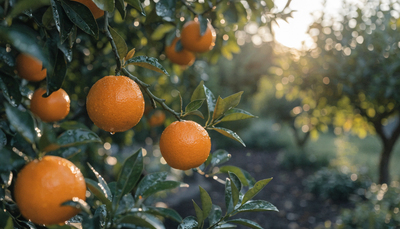
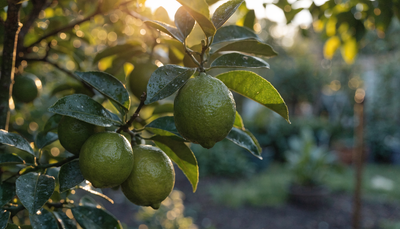
A homegrown organic lemon is a revelation — thin-skinned, aromatic, and bursting with a brightness no waxed supermarket fruit can match, all grown from soil you built yourself. Growing lemons organically isn't just about avoiding synthetic sprays on fruit you'll zest into your food — it's about nurturing living roots and a resilient tree that hands you fresh citrus for decades.
Lemons are also one of the most forgiving fruits to grow well. A single healthy tree can fruit nearly year-round, perfume the yard when it blooms, and thrive in a patio pot as happily as in the ground. Whether you're planting a Eureka in native soil or wheeling a dwarf Meyer indoors each fall, this guide walks you through every stage — choosing the right variety, building living soil, feeding by growth stage, and harvesting at peak flavor.
Choosing the Right Lemon Varieties
Lemons come in "true" tart lemons and sweeter hybrids, and the variety you pick shapes everything from cold tolerance to container-friendliness. Match the tree to your climate and space before you buy — a grafted tree on dwarfing rootstock is almost always the right call for home growers.
True Lemons vs. Hybrid Lemons
True lemons like Eureka and Lisbon give you the classic acidic, sharp fruit you'd find at the market. Hybrids like the Meyer (a lemon crossed with a mandarin-orange type) are sweeter, rounder, and less acidic, with a deeper golden-orange skin. Neither is "better" — it depends on whether you want lemonade-tart or something mild enough to eat in slices.
Best Varieties for Organic Growing
- Improved Meyer — The gold standard for home and container growing. Compact, heavy-bearing, more cold-hardy than true lemons (established trees shrug off the low-to-mid 20s°F for short spells), and nearly everbearing. "Improved" means it's certified virus-free. If you grow only one lemon, grow this.
- Eureka — The classic grocery-store lemon: tart, nearly seedless, and productive almost year-round. Nearly thornless and open-growing, making harvest easy. Less cold-tolerant, best for zones 9–11 or a pot you can protect.
- Lisbon — Very similar fruit to Eureka but a more vigorous, thornier, and slightly more cold- and heat-tolerant tree — a great in-ground choice for hot, dry regions.
- Ponderosa — A lemon-citron hybrid famous for enormous, grapefruit-sized fruit with thick, fragrant rind. A fun novelty and a fine container specimen; blooms and fruits readily indoors.
- Variegated Pink Eureka (Pink Lemonade) — Green-and-cream striped foliage, green-striped fruit that ripens to pale yellow with pink-tinted flesh. Ornamental and productive — a standout for patio growers.
Soil Preparation
Lemons are surprisingly forgiving about soil texture but ruthless about drainage. The single fastest way to kill a citrus tree is to plant it in soil that stays wet. Get drainage and biology right, and the rest of the tree's care becomes easy.
Ideal Soil Conditions
Aim for a well-draining loam with a slightly acidic pH between 6.0 and 7.0 (6.0–6.5 is the sweet spot for nutrient uptake). Heavy clay that puddles is the enemy — if water sits in the planting hole for hours, plant on a raised mound or in a container instead. For pots, use a quality mix cut with extra perlite or pumice; never dense garden soil. And skip landscape fabric or deep mulch piled against the trunk, which trap moisture and invite rot.
Building Living Soil
Organic lemon growing is really soil-biology growing. Instead of feeding the tree directly with soluble salts, you feed the soil food web — the bacteria, fungi, and mycorrhizae that unlock nutrients and defend roots. Work 2–3 inches of finished compost into the planting area before you plant, and top-dress with another inch each spring. Compost feeds that microbial life, improves drainage in clay and water-holding in sand, and delivers trace minerals citrus crave.
Give that biology a head start at planting by inoculating the root zone with Microbes, a living-soil root inoculant. It establishes the mycorrhizal and bacterial partnerships that extend the root system's reach for phosphorus, iron, and zinc — exactly the nutrients citrus tend to run short on. A living soil also buffers pH swings and outcompetes many root pathogens, so it's your first line of organic defense.
Planting: Timing & Technique
Because lemons are frost-sensitive perennials, timing is everything. Plant in spring after all danger of frost has passed, giving the tree a full warm season to establish roots before its first winter. In USDA zones 9–11, lemons grow happily in the ground year-round. In zones 8 and colder, grow in a container you can move indoors — a dwarf Meyer is bred for exactly this.
Transplanting a Young Tree
Dig a hole the same depth as the root ball but twice as wide, loosening the sidewalls so roots can push outward. Plant so the graft union (the swollen knuckle low on the trunk) sits 2–3 inches above the soil line — burying it invites rot and negates the rootstock. Backfill with native soil plus a handful of compost — nothing so rich the roots refuse to leave the hole. Water in deeply to settle out air pockets, and stake only if the site is windy.
Planting in Containers
Start a dwarf tree in a 10–15 gallon pot with drainage holes and a fast-draining citrus mix. Terra-cotta breathes and helps prevent overwatering. Set the pot where it gets at least 8 hours of direct sun — a south-facing spot outdoors in summer, and your brightest window (or a grow light) indoors in winter. Repot every 2–3 years to refresh the mix and prune circling roots.
Spacing
Standard lemon trees need 12–25 feet between them; dwarf and semi-dwarf types need 6–10 feet. Give each tree room for full sun and airflow on all sides — crowded citrus stay damp and invite fungal disease.
Companion Planting
Lemons dislike root competition, so keep the area under the canopy clear of thirsty plants. Instead, ring the drip line with companions that pull their weight:
- Nasturtiums and marigolds — Trap and repel aphids and whiteflies, and their flowers draw hoverflies and other beneficial predators.
- Alyssum, borage, and dill — Nectar sources that bring in ladybugs, lacewings, and parasitic wasps, your organic pest-control crew.
- Comfrey — A deep-rooted dynamic accumulator; chop-and-drop its leaves as a mineral-rich mulch around (not against) the trunk.
- Lavender and rosemary — Aromatic, drought-tolerant neighbors that confuse pests and support pollinators without demanding much water.
Avoid heavy feeders like tomatoes or squash right up against the trunk, and keep turfgrass back from the root zone — both steal the nitrogen your tree wants.
Watering Lemons Organically
More lemon trees die from overwatering than from any pest or disease. Citrus want deep, infrequent soakings that reach the whole root zone, followed by a chance to dry out slightly before the next drink.
Best Practices
Water deeply and let the top 2–3 inches of soil dry out between waterings for in-ground trees; for containers, water when the top inch or two feels dry to your finger. In warm weather that can mean two or three times a week for a pot and weekly for an in-ground tree; far less in winter. Mulch the root zone with 2–3 inches of wood chips or leaf mold — pulled back from the trunk — to conserve moisture and feed soil life. Consistent moisture matters most during flowering and fruit set; drought stress then causes flowers and young fruit to drop.
Signs of Problems
Overwatering shows as yellowing leaves (often across the whole tree), leaf drop, and soft, mushy soil that smells sour — a sign roots are suffocating or rotting. Underwatering shows as wilting, curling or cupping leaves, and dropping fruit, with bone-dry soil. When in doubt, check the soil before reaching for the hose rather than watering on a fixed schedule.
Organic Fertilizing Schedule for Lemons
Lemons are heavy feeders with a big appetite for nitrogen plus the micronutrients — iron, zinc, manganese, magnesium — that keep foliage deep green and fruit sizing up. Feed actively from early spring through late summer, then taper off in fall so the tree hardens off before winter. Here's how the Growganica system maps to each stage.
Early Spring — Wake-Up & Vegetative Flush
As new growth begins, top-dress compost and reapply Microbes to reactivate the soil food web around the roots. Then drive the spring leaf flush with Veg, the nitrogen-forward vegetative feed — work it into the top inch of soil or dissolve and water it in at the drip line every few weeks while the tree is pushing new leaves. Strong healthy foliage now is what powers the bloom to come.
Bloom & Fruit Set — Late Spring into Summer
When flower buds appear, shift the tree's energy toward flowering and fruiting with Bloom, the phosphorus- and potassium-rich flowering feed — apply at the first sign of buds and continue through fruit set to support heavy, well-held fruit. Steady feeding and even watering here prevent the flower and fruitlet drop that frustrates so many citrus growers.
Fruit Development — Sizing Up
To push bigger, denser, juicier lemons as fruit swells, add Incredible Bulk, a bloom-and-fruit booster — use it alongside Bloom during peak fruit development for maximum size and yield. Throughout the season, Kelp It Real, a soluble seaweed extract, supports root growth and stress resilience — apply as a soil drench or foliar spray every few weeks, especially before heat waves, cold snaps, or a move indoors, to keep the tree calm and productive.
You don't need all of these — Microbes, Veg, and Bloom are the core system; the rest are optional boosters for specific goals. Start with the three essentials, and reach for Incredible Bulk and Kelp It Real when you want bigger harvests or extra resilience through stress.
Organic Pest Control
A tree grown in living soil with good airflow shrugs off most pests, but citrus attract a few persistent characters. Scout weekly, especially the undersides of leaves and new growth, and act early while populations are small.
- Aphids — Cluster on tender new shoots, curling leaves and dripping sticky honeydew. Blast them off with a hose, encourage ladybugs and lacewings, and spray insecticidal soap for stubborn colonies.
- Citrus leafminer — Larvae tunnel silvery, serpentine trails inside new leaves, leaving them curled and distorted. Damage looks alarming but rarely harms established trees; prune the worst-affected flush and avoid over-fertilizing tender growth that attracts them.
- Scale (California red, cottony cushion) — Immobile bumps on stems and leaves that also produce honeydew. Smother with horticultural oil and dab small outbreaks with a cotton swab.
- Citrus mealybugs — White, cottony masses in leaf joints. Treat like scale with oil or soap, and support their natural predators.
- Spider mites — Fine webbing and stippled, dusty-looking leaves, worst in hot, dry, dusty conditions. Rinse foliage regularly and spray oil or soap.
- Asian citrus psyllid — A tiny mottled insect that feeds at a distinctive angle on new growth. It's the vector for citrus greening disease, so it's the one pest worth taking seriously — inspect new flush and remove infested shoots promptly. Controlling it, along with the aphids, scale, and mealybugs whose honeydew feeds black sooty mold, keeps your foliage clean.
Common Diseases and Organic Solutions
Most lemon diseases trace back to excess moisture or a wounded, stressed tree. Prevention — good drainage, airflow, and clean pruning — beats any treatment.
- Root rot (Phytophthora) — Caused by waterlogged soil; leads to yellowing, dieback, and a decaying trunk base. The fix is cultural: improve drainage, water less, and keep mulch off the trunk. A thriving Microbes-driven soil helps suppress the pathogen.
- Sooty mold — A black, soot-like coating on leaves and fruit. It's harmless itself but grows on insect honeydew — eliminate the aphids, scale, or mealybugs and the mold weathers away.
- Greasy spot — Yellow blotches that turn into greasy brown spots on leaf undersides, causing leaf drop. Rake and remove fallen leaves, prune for airflow, and apply horticultural oil.
- Citrus canker — Raised, corky lesions with yellow halos on leaves, stems, and fruit; a bacterial disease spread by wind-driven rain. Remove and dispose of infected material, disinfect tools, and choose resistant stock — it's a reportable disease in some regions.
- Anthracnose — Dark leaf and twig dieback that follows cold or drought stress. Prune out dead wood and keep the tree healthy and evenly watered.
- Citrus greening (Huanglongbing) — The most serious citrus disease, spread by the Asian citrus psyllid, causing blotchy-mottled leaves, misshapen bitter fruit, and eventual decline. There's no cure, so prevention through psyllid control and certified disease-free trees is essential; know whether it's present in your area.
Harvesting Lemons
Lemons don't ripen further once picked, so patience on the tree is what gives you sweet, juicy fruit rather than a hard, sour disappointment.
When to Harvest
Fruit is ready when it's fully colored — bright yellow for Eureka and Lisbon, deep golden-orange for Meyer — and feels firm with a slight give and a heavy heft for its size. Depending on climate and variety, lemons take roughly 6 to 9 months to ripen after bloom. Taste-test rather than trusting size alone. To harvest, clip the stem or give a gentle twist-and-pull; leave a short stem nub and avoid yanking, which tears the peel and invites rot.
Storage and Extending the Season
The tree itself is your best storage — ripe lemons hold on the branch for weeks, so pick as you need them. Once harvested, lemons keep about a week at room temperature and up to 3–4 weeks in the refrigerator crisper. To preserve a glut, freeze the juice in ice-cube trays, zest and dry the peel, or make preserved lemons in salt.
Common Problems and Troubleshooting
Why is my lemon tree dropping its leaves?
Sudden leaf drop is almost always a stress response — most often overwatering and soggy roots, but also cold drafts, a big swing in temperature or light, or letting it dry out completely. Check soil moisture first: if it's wet and sour, ease off watering and improve drainage. If you just relocated the tree, give it a couple of weeks to acclimate before worrying.
Why are my lemon tree's leaves turning yellow?
Yellowing has a few common causes, and the pattern tells you which. Uniform pale-green-to-yellow across older leaves usually means a nitrogen shortage — feed with Veg and refresh compost. Yellow leaves with green veins point to iron, zinc, or manganese deficiency, common in alkaline or lifeless soil — reinoculate with Microbes to improve micronutrient uptake and check your pH. Overall yellowing with wet soil, though, means overwatering.
Why is my lemon tree flowering but not setting fruit?
Plenty of blossoms with no fruit usually comes down to poor pollination, an overload of nitrogen (which pushes leaves at the expense of fruit), or inconsistent watering causing the fruitlets to drop. Ease up on high-nitrogen feeding once buds form and switch to Bloom, keep watering even, and hand-pollinate indoor trees with a small brush. A natural "June drop" of excess fruitlets is normal — the tree is just shedding what it can't carry.
Frequently Asked Questions
Can I grow a lemon tree in a pot?
Absolutely — lemons are among the best fruit trees for containers, and a dwarf Improved Meyer is purpose-built for it. Give a dwarf a 10–15 gallon pot with sharp drainage and 8+ hours of sun, and in cold climates move it to a bright window before the first frost. Growing in a pot also lets you control the soil and dodge ground-borne disease.
How long until a lemon tree produces fruit?
A grafted nursery tree typically bears its first fruit within 2–3 years, and often sooner in a container. Trees grown from seed can take 5–7 years or more and won't come true to the parent — another reason grafted trees are the smart buy.
Do I need two lemon trees for pollination?
No — lemons are self-fertile, so a single tree sets fruit on its own, and outdoors bees and wind handle pollination. Indoor trees sometimes need a hand: transfer pollen flower-to-flower with a soft brush.
How cold can lemon trees tolerate?
True lemons like Eureka and Lisbon are damaged when temperatures drop below about 28–30°F, making them best for USDA zones 9–11 outdoors. Improved Meyer is hardier, tolerating the low-to-mid 20s°F for short spells. In colder zones, grow in pots and overwinter indoors, or shield in-ground trees with frost cloth.
Are lemons everbearing?
Many come close. Eureka fruits nearly year-round in mild climates, and Meyer blooms in multiple flushes, so you'll often see flowers and ripening fruit on the tree at once. Consistent organic feeding and even watering keep that near-continuous production going.