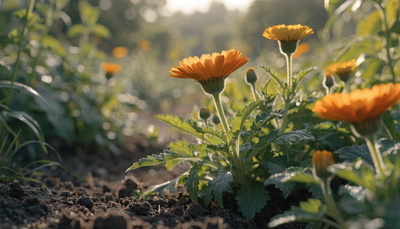
Growing marigolds organically gives you months of fearless, frost-defying color while quietly building living soil and feeding the beneficial insects your whole garden depends on. Skip the synthetic feeds and you get more than flowers — you get healthier roots, a thriving underground food web, and a plant that earns its keep as one of the hardest-working companions in the garden.
Marigolds (Tagetes) are the plant that turns brand-new gardeners into lifelong ones. They germinate in days, bloom in about eight weeks, shrug off heat and drought, and keep flowering until a hard frost finally stops them. Whether you're tucking a few French marigolds along a vegetable bed for pest control or filling a cutting border with towering African types, this guide covers everything you need to grow them the organic way — from seed to seed-saving.
Choosing the Right Marigold Varieties
Before you plant, it helps to know that "marigold" covers a few distinct species, each with its own personality. Matching the type to your goal — bedding color, cut flowers, pest control, or edible petals — is the difference between a good display and a great one.
The Main Types of Marigold
- French marigolds (Tagetes patula) — Compact, bushy plants 6 to 18 inches tall with smaller single or double blooms in gold, orange, mahogany, and bicolors. These are the classic companion-planting marigold and the most disease-resistant of the group.
- African or American marigolds (Tagetes erecta) — Tall (1 to 4 feet) with big, dense pompom flowers up to 4 inches across. Best for cutting gardens and bold color, though the large heads can hold water and rot in wet weather.
- Signet marigolds (Tagetes tenuifolia) — Delicate, lacy foliage and masses of small single flowers with a genuine citrus fragrance. The petals are edible and the plants make tidy, mounding edgers.
- Triploid hybrids — Crosses between French and African types that are sterile, so they pour all their energy into flowering nonstop without setting seed.
Best Varieties for Organic Growing
- 'Queen Sophia' — A French marigold with rich russet-and-gold double blooms; vigorous and reliably weather-tough.
- 'Durango' and 'Bonanza' series — Compact, uniform French types that bloom early and hold up in beds and containers.
- 'Crackerjack' — A tall African heirloom with huge 3-to-4-inch pompoms in yellow and orange, ideal for the back of a border or cut arrangements.
- 'Inca' series and 'Vanilla' — African types offering intense, uniform orange and, unusually, creamy white blooms respectively.
- 'Lemon Gem' and 'Tangerine Gem' — Signet marigolds with edible, citrus-scented petals perfect for salads and garnishes.
- 'Zenith' series — Triploid hybrids prized for weather resistance and truly continuous flowering.
For companion planting and nematode suppression specifically, reach for French marigolds — their roots are the most active against soil pests.
Soil Preparation
Marigolds are famously undemanding, but "undemanding" is exactly why so many gardeners get their soil wrong. The most common mistake is feeding them like a hungry tomato. Rich, high-nitrogen soil produces lush foliage and stingy flowering. Your goal is a moderately fertile, well-drained, biologically alive soil — not a heavily amended one.
Ideal Soil Conditions
Marigolds thrive in well-drained soil with a pH between 6.0 and 7.0 — slightly acidic to neutral. They tolerate poor and even sandy soils better than most annuals, but they will not forgive soggy ground. If your soil holds water after rain, plant in raised beds or work in compost to open up drainage. Full sun is non-negotiable: aim for at least 6 hours of direct light, and the more they get, the more they bloom.
Building Living Soil
Organic growing is really soil growing. Instead of dumping soluble salts on your plants, you feed the microbial life — bacteria, fungi, protozoa — that in turn feeds the roots. A living soil delivers nutrients slowly and steadily, exactly the low-and-slow diet marigolds prefer, and it dramatically improves drought resilience.
A few weeks before planting, top your beds with 1 to 2 inches of finished compost and lightly fork it into the top few inches — don't bury it deep, as most of the biology lives near the surface. Avoid fresh manure or heavy nitrogen amendments, which push leafy growth at the expense of blooms. If you're planting into tired or lifeless soil, inoculating with beneficial microbes at planting time jump-starts the whole underground network so your marigolds can find nutrients on their own.
Planting: Timing and Technique
Marigolds are annuals, so everything revolves around your frost dates rather than USDA hardiness zones. They are frost-tender: a single hard freeze in spring or fall ends the show. The season runs from after your last spring frost until your first fall frost.
Starting Seeds Indoors
To get a head start, sow seeds indoors 4 to 6 weeks before your last expected spring frost. Marigold seeds are large and easy to handle — press them about 1/4 inch deep into a moist seed-starting mix, keep the tray around 70°F, and expect germination in just 5 to 7 days. Give seedlings bright light so they don't stretch, and let the surface dry slightly between waterings to prevent damping-off.
Direct Sowing and Transplanting
Because they sprout so fast, marigolds also do beautifully direct-sown. Wait until all danger of frost has passed and the soil has warmed to roughly 70°F, then scatter seeds and cover lightly. When hardening off indoor-started seedlings, gradually expose them to outdoor conditions over a week before transplanting on a mild, overcast day or in the evening. Water them in well — this is the moment a seaweed drench pays off by easing transplant shock.
Spacing
- Signet and dwarf French marigolds: 6 to 8 inches apart.
- Standard French marigolds: 8 to 10 inches apart.
- African marigolds: 10 to 18 inches apart, up to 24 inches for the largest varieties.
Good spacing keeps air moving through the foliage, which is your first line of defense against the fungal problems that occasionally trouble the big-flowered types. Pinch out the growing tip of young plants once they're 6 inches tall to encourage bushier growth and more branching — and therefore more flowers.
Companion Planting
Marigolds are arguably the most valuable companion plant in the vegetable garden, and it's not just folklore. French marigold roots release a compound (alpha-terthienyl) that suppresses root-knot nematodes in the soil — a genuine, well-documented benefit. For it to work, you generally need to grow them densely as a cover the season before, or interplant them thickly among susceptible crops.
Above ground, their pungent foliage and bright blooms make them excellent partners for:
- Tomatoes, peppers, and eggplant — nightshades prone to nematode damage benefit from nearby French marigolds.
- Cucumbers, squash, and melons — the flowers draw pollinators that improve fruit set.
- Beans and brassicas — marigolds attract hoverflies, ladybugs, and parasitic wasps that prey on aphids and cabbage pests.
Some gardeners also use marigolds as a trap crop, luring slugs and thrips away from prized vegetables. One honest caveat: marigolds can attract spider mites in hot, dry spells, so keep them well-watered and inspect the undersides of leaves near sensitive crops.
Watering Marigolds Organically
Once established, marigolds are impressively drought-tolerant — a big reason they're so beginner-friendly. The most common way to kill them is kindness in the form of overwatering.
Best Practices
- Water at the base, not overhead. Wet foliage and water sitting in the dense flower heads invites fungal disease. A watering can aimed at the soil or a drip line is ideal.
- Let the soil dry slightly between waterings. Stick a finger an inch into the soil; water only when it feels dry. Deep, infrequent watering builds stronger roots than frequent sips.
- Mulch lightly. An inch or two of organic mulch conserves moisture, suppresses weeds, and keeps soil temperatures even — just keep it pulled back from the stems.
- Containers need more attention. Potted marigolds dry out fast in summer heat and may need daily water; make sure every pot drains freely.
Signs of Problems
Yellowing lower leaves and a wilting plant in wet soil usually means overwatering and the beginning of root rot — back off and improve drainage. Wilting in dry, hot soil is simple thirst and rebounds within hours of a deep drink. Crispy brown leaf edges point to prolonged drought or heat stress. When in doubt with marigolds, err on the dry side.
Organic Fertilizing Schedule for Marigolds
Here's the golden rule for feeding marigolds: they are light feeders, and overfeeding — especially with nitrogen — gives you a jungle of leaves and hardly any flowers. Organic fertilizers make this easy, because they release gently and won't shock the plant. Feed for a strong root system and steady blooms, not fast growth.
You don't need all of these — Microbes, Veg, and Bloom are the core system; the rest are optional boosters for specific goals.
At Planting: Build the Foundation
Start with biology. Microbes is a living-soil inoculant that colonizes the root zone and unlocks nutrients naturally — mix it into the planting hole or water it in at transplant so young roots meet a thriving microbial network from day one. Pair it with Kelp It Real, a soluble seaweed extract, as a transplant drench at the label rate to ease shock and drive fast root growth in those first two weeks.
Early Growth: Establish the Plant
Once seedlings are settling in and putting out new leaves, a light application of Veg supports healthy foliage and stem development. Go gentle here — a single feeding at the label rate is plenty. Too much nitrogen now delays flowering, so ease off Veg as soon as the plants look sturdy and green.
Budding and Flowering: Fuel the Blooms
As buds begin to form, switch to Bloom, which supplies the phosphorus and potassium that flowering plants crave. Feed at the label rate every couple of weeks through the blooming season to keep the color coming. This is the workhorse feed for the bulk of a marigold's life.
Optional Boosters
- Incredible Bulk — For bigger, longer-lasting blooms, especially on the large-flowered African types, add this bloom booster during peak flowering per the label rate.
- Kelp It Real — Beyond transplanting, a monthly foliar or root application builds stress resilience through summer heat and drought.
Organic Pest Control
Marigolds are more often a pest-control tool than a pest victim, but a few insects do bother them. The organic approach is prevention first: healthy, unstressed plants in living soil resist pests far better than pampered, overfed ones.
- Spider mites — The number-one marigold pest, thriving in hot, dry, dusty conditions. Look for fine webbing and stippled, bronzed leaves. Blast them off with a strong spray of water, keep plants well-watered, and treat stubborn infestations with insecticidal soap or neem oil.
- Aphids — Clusters on new growth and buds. A jet of water knocks them off, and the beneficial insects marigolds attract (ladybugs, hoverflies, lacewings) usually finish the job.
- Slugs and snails — They favor young seedlings. Hand-pick in the evening, set out shallow beer traps, or ring plants with crushed eggshells or diatomaceous earth.
- Thrips — Tiny insects that scar petals and distort buds. Encourage beneficials and remove badly affected blooms.
- Japanese beetles and caterpillars — Hand-pick beetles into soapy water; treat serious caterpillar damage with the organic option Bt (Bacillus thuringiensis).
Common Diseases and Organic Solutions
Nearly every marigold disease traces back to moisture and airflow, which means most are preventable with good watering habits and proper spacing.
- Botrytis (gray mold) — The classic problem of big African marigolds in wet weather, showing as fuzzy gray rot on flower heads. Remove affected blooms promptly, water at the base only, and improve air circulation.
- Powdery mildew — A white, powdery coating on leaves in humid conditions with poor airflow. Space plants well, avoid overhead watering, and treat with a potassium bicarbonate or diluted neem spray.
- Damping-off — A seedling killer caused by fungi in overly wet starting mix. Use clean containers, don't overwater, and give seedlings good light and airflow.
- Root rot — Follows chronic overwatering and poor drainage. There's no cure once it's advanced — prevention through well-drained soil is everything.
- Alternaria and bacterial leaf spot — Dark spots on foliage. Remove infected leaves, avoid wetting the leaves, and don't compost diseased material.
Harvesting Marigolds
Marigolds reward regular harvesting — the more you cut and deadhead, the more they bloom.
When to Harvest
For cut flowers, snip stems in the cool of the morning when the blooms are fully open but still fresh, cutting just above a leaf node. For edible Signet petals, pick flowers freshly opened and pull the petals just before use. The single most important task is deadheading: removing spent, browning flowers redirects the plant's energy from seed-making back into new buds, keeping the display going strong until frost.
Storage and Extending the Season
Fresh-cut marigolds last about a week in a vase — strip the lower leaves, which smell strongly and foul the water quickly, and change the water every couple of days. To dry marigolds for crafts or petal confetti, hang small bunches upside down in a warm, dark, airy spot. To save seeds and grow free plants next year, let a few flower heads dry completely on the plant, then crack them open and store the long, dark seeds somewhere cool and dry. Many marigolds will also self-sow, popping up on their own the following spring.
Common Problems and Troubleshooting
Why is my marigold not blooming?
Almost always one of two things: too much nitrogen or too little sun. Overly rich soil or heavy Veg feeding pushes leafy growth over flowers, so back off nitrogen and switch to Bloom. If the plant is leggy and reaching, it needs more direct light — marigolds want at least 6 hours of full sun to flower well.
Why are my marigold leaves turning yellow?
Yellowing lower leaves in damp soil signal overwatering and possible root rot — let the soil dry out and check drainage. If the yellowing comes with fine webbing and a stippled, dusty look, suspect spider mites and treat with insecticidal soap or neem.
Why are my marigold flowers turning brown and mushy?
Fuzzy, rotting flower heads are botrytis (gray mold), driven by wet weather and water sitting in the dense blooms. It's most common on large African types. Remove and discard affected flowers, water only at the base, and thin crowded plants to improve airflow.
Frequently Asked Questions
Are marigolds annuals or perennials?
The common garden marigolds (Tagetes) are frost-tender annuals — they complete their life cycle in one season and die at the first hard frost. However, they self-seed readily, so you'll often see volunteers reappear in the same spot the next spring, making them feel almost perennial.
Do marigolds really repel pests?
Partly. Their most proven benefit is underground: French marigold roots suppress root-knot nematodes in the soil. Above ground, they're less about repelling pests and more about attracting beneficial predators and pollinators that protect the rest of your garden. The idea that their scent repels all insects is overstated, but their value as a companion is very real.
Can you eat marigolds?
Signet marigolds (Tagetes tenuifolia), such as 'Lemon Gem' and 'Tangerine Gem', have edible petals with a citrusy, slightly spicy flavor that's lovely in salads and as a garnish. As always, only eat flowers you've grown organically and know are unsprayed, and use petals rather than the bitter green base.
How long do marigolds bloom?
An exceptionally long time. Marigolds start flowering about 8 weeks from seed and, with regular deadheading, keep blooming continuously from early summer right up until the first fall frost — often four months or more of color.
Are marigolds deer resistant?
Generally yes. Deer and rabbits tend to avoid marigolds thanks to their strong scent and pungent foliage, which is another reason they're planted as a protective border around more tempting crops. No plant is fully deer-proof in a hungry season, but marigolds are among the more reliably ignored.