Few vegetables reward a hot, honest garden like okra — plant it once the soil is warm and it will hand you tender, ridged pods almost faster than you can pick them. Growing it organically means richer soil, cleaner food, and a pollinator-friendly patch that keeps giving right through the dog days of summer.
Okra (Abelmoschus esculentus) is a heat-loving, frost-tender annual in the mallow family — a cousin of hibiscus, which explains its gorgeous cream-and-maroon blooms. It thrives where tomatoes sulk, shrugs off drought once established, and produces from midsummer until the first frost. Whether you're growing a single plant on a sunny patio or a full row for gumbo and pickles, this guide covers everything from variety selection to your last harvest, all through an organic, soil-first lens.
Choosing the Right Okra Varieties
Okra varieties differ mainly in height, pod color, spininess, and days to maturity. Most mature in 50 to 65 days from seed, which matters if your growing season is short. Pay attention to whether a variety is "spineless" — a bit of a misnomer, since even spineless types have fine irritating hairs, but they're far friendlier to harvest.
Green vs. Red Okra
Classic green okra is what most people picture, but red and burgundy types are just as productive and add ornamental drama to the garden. Red pods turn green when cooked, so grow them for looks and fresh use. Beyond color, the real decision is plant size: some okra towers to 6 feet or more, while compact hybrids stay knee-to-waist high — a big deal for containers and small beds.
Best Varieties for Organic Growing
- Clemson Spineless — the 1939 All-America Selections winner and still the benchmark. Reliable, productive, spineless pods, great for beginners.
- Emerald — smooth, round, deep-green pods that stay tender a little longer than most, forgiving if you miss a picking.
- Cajun Delight — an early, quick-maturing AAS winner that's ideal for shorter northern seasons where heat arrives late.
- Annie Oakley II — a compact, heavy-yielding hybrid with tender pods; good where space is tight.
- Red Burgundy — an AAS-winning open-pollinated variety with wine-red stems and pods; ornamental and productive.
- Star of David — a fat, ribbed, intensely flavored heirloom prized in the South for stewing.
- Baby Bubba — a genuinely dwarf hybrid (around 3 feet) bred for containers and small gardens.
Soil Preparation
Okra isn't fussy about soil texture, but it rewards richness and, above all, warmth. Cold, soggy ground stunts it fast. The goal is a loose, well-drained bed full of organic matter that heats up quickly in spring and holds moisture through summer heat.
Ideal Soil Conditions
Aim for a soil pH between 6.0 and 6.8, though okra tolerates neutral soil up to about 7.0 without complaint. It prefers a fertile, well-drained loam but will grow in heavier clay if you work in plenty of compost to improve structure and drainage. The single most important thing is heat: okra roots want warm soil, so raised beds and dark, mulched surfaces that absorb sun give a real head start in cooler climates.
Building Living Soil
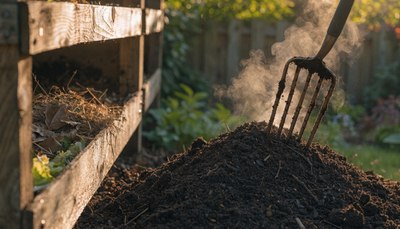
Organic okra growing is really about feeding soil life rather than the plant directly. Work 2 to 3 inches of finished compost or well-rotted manure into the top 6 to 8 inches of the bed a few weeks before planting. That organic matter feeds the bacteria, fungi, and earthworms that slowly release nutrients in step with the plant's needs — no salt spikes, no leaching, no burned roots.
A thriving population of soil microbes is what turns compost into plant-available food and builds the mycorrhizal partnerships that extend a plant's root reach. This is where an inoculant earns its keep: adding Microbes at planting seeds the root zone with beneficial biology from day one, so your okra plugs into a living network instead of starting from scratch. Skip synthetic fertilizers entirely — they feed the plant but starve the soil, and okra grown in biologically active ground is more resilient to heat and drought.
Planting: Timing & Technique
Because okra is a tender annual, everything hinges on frost dates and soil temperature — not hardiness zones. Okra seed rots in cold, wet ground and seedlings stall below about 60°F, so patience up front pays off. Rushing okra into cold soil is the most common reason a crop underperforms.
Timing by Frost Dates
Wait until 2 to 4 weeks after your last spring frost, when soil temperature at seed depth has reached at least 65°F (70°F or warmer is ideal) and nights stay reliably above 55°F. In much of the South, that's April into May; in northern gardens, it may be late May or June. With 50 to 65 days to maturity and a long harvest window, even short-season growers can succeed by choosing an early variety and warming the soil first.
Starting Seeds Indoors and Direct Sowing
Okra prefers to be direct sown because it dislikes root disturbance. To speed the notoriously hard seed coat along, soak seeds in room-temperature water for 12 to 24 hours before planting. Sow seeds 1/2 to 1 inch deep, and expect germination in 5 to 14 days depending on soil warmth. In cool climates, you can start seeds indoors 3 to 4 weeks before transplanting — use biodegradable pots so you can plant the whole cell without disturbing the taproot, and never let seedlings get rootbound.
Transplanting and Spacing
Harden off indoor-started seedlings over about a week before moving them out, and transplant only after the soil and nights are warm. Space plants 12 to 18 inches apart in rows 3 feet apart. Compact varieties can go on the tighter end; tall types need the full spacing for air circulation. Good spacing keeps foliage dry and dramatically reduces fungal disease later in the season.
Companion Planting
Okra's tall, open structure makes it a generous neighbor, and its long taproot means it rarely competes for surface water. Thoughtful companions attract pollinators, confuse pests, and use vertical space well.
- Peppers, tomatoes, and eggplant — fellow heat-lovers on the same watering and feeding rhythm.
- Basil and other aromatic herbs — help mask okra from pests and draw in pollinators.
- Bush beans and cowpeas — legumes fix nitrogen and make good low-growing partners beneath tall okra.
- Lettuce and radishes — quick, shade-tolerant crops that fill the ground while young okra is still short.
- Sunflowers — planted at a distance, they act as a trap crop that lures stink bugs away from your pods.
Okra has few real enemies in the garden, but avoid crowding it with sprawling vine crops like winter squash that will smother the base and trap humidity.
Watering Okra Organically
Okra is famously drought-tolerant once its taproot is established, but consistent moisture during flowering and pod set produces the most tender, prolific harvest. The trick is deep, infrequent watering rather than frequent sprinkles.
Best Practices
Give okra about 1 inch of water per week, more during extended heat or in fast-draining sandy soil. Water deeply at the base — drip irrigation or a soaker hose is ideal — to encourage roots to grow down and to keep foliage dry. Mulch heavily with straw, shredded leaves, or grass clippings to conserve moisture, moderate soil temperature, and suppress weeds. Water in the morning so any splashed leaves dry quickly.
Signs of Problems
Wilting in the afternoon heat is often normal and resolves by evening; wilting that persists into the morning signals real drought stress or a root problem. Yellowing lower leaves can mean overwatering in poorly drained soil, while flower and pod drop frequently follows drought stress during a heat wave. Blossoms dropping without setting pods almost always trace back to inconsistent water or extreme temperature swings — steady moisture is the fix.
Organic Fertilizing Schedule for Okra
Okra is a moderate feeder with one important quirk: too much nitrogen produces a jungle of leaves and very few pods. The organic strategy is to build fertility into the soil, keep nitrogen moderate, and shift toward phosphorus and potassium as the plant moves into flowering and fruiting. Feeding by growth stage keeps the balance right.
You don't need all of these — Microbes, Veg, and Bloom are the core system; the rest are optional boosters for specific goals.
At Planting (Establishment)
Start with biology. Mix Microbes into the planting hole or seed furrow to colonize the root zone and unlock the nutrients already in your compost. Pair it with Kelp It Real as a light root-drench at seeding or transplant — the seaweed extract's natural growth compounds encourage strong early root development and buffer transplant and heat stress.
Vegetative Stage (Young Plants)
Once seedlings are a few inches tall and putting on true leaves, switch to Veg to fuel steady, sturdy leaf and stem growth. Feed every 2 to 3 weeks. Go moderate here — you want a strong, well-branched frame, not a leggy green monster. A well-fed vegetative plant sets the stage for heavy podding later.
Flowering & Podding Stage
When the first blooms appear, transition to Bloom to support flowering and continuous pod production, feeding every 2 weeks through the season. Because okra produces for months, this is the workhorse feed — steady phosphorus and potassium keep new flowers and pods coming right up to frost.
Peak-Harvest Booster (Optional)
For bigger, denser harvests during peak production, add Incredible Bulk alongside Bloom as your plants hit full stride. It's a targeted bloom-and-fruit booster for growers pushing maximum yield from each plant. Continue a light monthly dose of Kelp It Real through midsummer heat waves to keep plants resilient and productive when temperatures climb into the high 90s.
Organic Pest Control
Okra's tough constitution keeps it relatively pest-free, but a few insects show up predictably. Healthy, biologically active soil and good spacing are your first and best defenses — a strong plant simply shrugs off pressure that flattens a stressed one.
- Aphids — cluster on tender new growth and undersides of leaves. Blast them off with a hose, encourage ladybugs and lacewings, and treat heavy infestations with insecticidal soap or neem oil.
- Stink bugs — feed on developing pods and cause the warty, curled, misshapen pods many growers puzzle over. Hand-pick in the cool morning, keep weeds down, and use a sunflower trap crop nearby.
- Flea beetles — chew tiny shot-holes in young leaves. Floating row cover on seedlings (removed at flowering for pollination) is the cleanest organic control.
- Corn earworms and cabbage loopers — caterpillars that chew foliage and bore into pods. Hand-pick, and spot-treat with Bacillus thuringiensis (Bt) when populations climb.
- Japanese beetles — skeletonize leaves in early summer. Knock them into soapy water in the morning when they're sluggish.
- Root-knot nematodes — microscopic soil pests that stunt plants and knot the roots. Rotate crops, plant nematode-suppressive cover crops, and keep soil rich in organic matter and beneficial microbes.
Common Diseases and Organic Solutions
Most okra diseases are fungal and thrive in wet, crowded, poorly circulated conditions — which is exactly why spacing, morning watering, and dry foliage matter so much.
- Fusarium and Verticillium wilt — soilborne fungi that yellow and wilt plants from the bottom up, often on one side. There's no cure once infected; remove affected plants, rotate away from okra and its relatives for several years, and build disease-suppressive living soil.
- Powdery mildew — a white, dusty coating on leaves in late season. Improve airflow, avoid overhead watering, and apply a potassium-bicarbonate or neem-based organic fungicide early.
- Cercospora and other leaf spots — dark or angular spots that spread in humid weather. Remove infected leaves, mulch to prevent soil splash, and keep foliage dry.
- Southern blight — a hot-climate fungus that rots the stem at the soil line with white webbing. Remove infected plants and surrounding soil, and rotate crops.
- Damping off — collapses seedlings at the soil line. Sow in warm, well-drained soil, avoid overwatering, and don't crowd seedlings.
Across the board, crop rotation, generous compost, and healthy soil biology prevent far more disease than any spray cures.
Harvesting Okra
This is where okra tests your commitment: it produces fast and must be picked often. The reward for staying on top of it is weeks of tender, buttery pods; the penalty for slacking is a plant full of woody, inedible ones.
When to Harvest
Pods are ready just 3 to 5 days after flowering, when they're 2 to 4 inches long and still snap cleanly. Bigger is not better — pods left on the plant turn tough and fibrous within a day or two. Harvest every 1 to 2 days at peak season, ideally in the morning. Use a knife or pruners and leave a short stem on each pod. Wear gloves and long sleeves, since even "spineless" okra has fine hairs that irritate skin.
Storage and Extending the Season
Okra doesn't keep long — use it within 2 to 3 days. Store unwashed pods dry in the refrigerator (a paper bag works well) and wash only just before cooking, since moisture causes sliming and dark spots. For longer storage, blanch and freeze, or pickle whole pods. The most important trick for extending your harvest is simple: keep picking. Continuous harvest signals the plant to keep flowering, and a well-tended row will produce until frost finally shuts it down.
Common Problems and Troubleshooting
Why is my okra not producing pods?
The usual culprits are too much nitrogen (lush leaves, few flowers), soil or nights too cool early in the season, or drought stress causing blossoms to drop. Ease off nitrogen, shift to a bloom-focused feed, water consistently, and give it time — okra ramps up dramatically once real heat sets in.
Why are my okra pods tough and woody?
They were harvested too late. Okra fiber develops fast, so pods only a day past their prime turn stringy. Pick smaller and more often — every 1 to 2 days — and remove any oversized pods to redirect the plant's energy into tender new ones.
Why are my okra leaves turning yellow?
Yellowing lower leaves often point to overwatering in poorly drained soil or a nitrogen shortfall in the vegetative stage; yellowing that climbs the plant with one-sided wilting suggests fusarium or verticillium wilt. Check drainage first, feed if growth is pale and stalled, and remove plants showing clear wilt symptoms to protect the rest of the row.
Frequently Asked Questions
How long does okra take to grow?
Most varieties reach first harvest in 50 to 65 days from seed. Choose an early type like Cajun Delight if your warm season is short, and remember that okra keeps producing for months once it starts.
Do I need to soak okra seeds before planting?
It helps. Okra has a hard seed coat, and soaking in room-temperature water for 12 to 24 hours softens it and speeds germination. Warm soil (65°F or above) does the rest.
How tall does okra grow?
Standard varieties reach 4 to 6 feet, and some heirlooms top 8 feet in a long, hot season. Dwarf hybrids like Baby Bubba stay around 3 feet, making them ideal for containers and small beds.
Can I grow okra in containers?
Yes — choose a compact variety and a pot of at least 5 gallons (larger is better) with excellent drainage and full sun. Container okra dries out faster, so water more attentively and feed on the schedule above.
Does okra need full sun?
Absolutely. Okra wants at least 6 to 8 hours of direct sun and genuinely loves heat — it's one of the few vegetables that shines in the hottest part of summer. The more sun and warmth it gets, the more it produces.