Growing summer squash organically rewards you with tender, fast-maturing fruit that tastes nothing like the watery specimens on grocery shelves — and it builds living, resilient soil while it feeds you. Few crops are as forgiving for a new gardener: plant a couple of hills in early summer and you can be picking glossy zucchini within 50 days, often faster than you can give them away.
Summer squash (Cucurbita pepo) is harvested young and eaten skin, seeds, and all, unlike winter squash that cures on the vine. Every choice you make — variety, soil, feeding, pest timing — shows up fast in the harvest basket. This guide covers the whole season, from choosing cultivars to beating the two problems that stump nearly everyone: blossom drop and squash vine borer.
Choosing the Right Summer Squash Varieties
"Summer squash" is a family with real diversity in shape, habit, and disease resistance, and picking the right type for your space and climate is the biggest head start you can give yourself.
Types of Summer Squash
- Zucchini (courgette): The classic long green cylinder. Fast, prolific, and the most productive of all — two plants feed a family.
- Yellow squash: Includes both straightneck and crookneck forms, with a slightly firmer, nuttier flesh than zucchini.
- Pattypan (scallop): Flat, scalloped, UFO-shaped fruit in white, yellow, or green. Excellent stuffed or grilled, and often on more compact plants.
- Cousa and Middle Eastern types: Pale, stocky fruit with dense flesh prized for stuffing and stir-fries.
Best Varieties for Organic Growing
Organic growers benefit from vigor and disease tolerance, since you're relying on plant health rather than synthetic rescues. Proven performers include:
- 'Black Beauty' — the heirloom zucchini standard; dependable, dark, and delicious.
- 'Costata Romanesco' — an Italian ribbed zucchini with nutty flavor and firm flesh that resists getting mushy; slightly less prolific but worth it.
- 'Gold Rush' and other golden zucchini — bright yellow fruit that's easy to spot so squash don't hide and over-mature.
- 'Early Prolific Straightneck' — a reliable, heavy-yielding yellow squash that lives up to its name.
- 'Yellow Crookneck' — a bumpy-skinned heirloom with old-fashioned flavor.
- 'Sunburst' — a buttery yellow pattypan, great in small gardens.
- 'Dunja' and 'Multipik' — modern hybrids favored by organic growers; 'Dunja' has an open, nearly spineless plant with good tolerance to powdery mildew, while 'Multipik' is a dependable, heavy-yielding yellow straightneck — both easy to harvest and healthy late in the season.
If you garden where squash vine borer pressure is heavy, tuck in a few plants of a Cucurbita moschata type like tromboncino, which is grown as summer squash when young and shrugs off borers thanks to its solid vines.
Soil Preparation
Summer squash are heavy feeders with big, thirsty root systems, and they respond dramatically to soil that's alive with biology. Get the ground right and the plants almost take care of themselves.
Ideal Soil Conditions
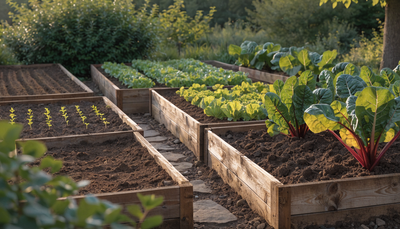
Aim for a rich, well-drained loam with a soil pH between 6.0 and 6.8, where squash access nutrients most efficiently. The soil should hold moisture but never stay waterlogged — squash roots rot in soggy ground. Work 2 to 4 inches of finished compost or aged manure into the bed, or concentrate it in the planting hills. Squash thrive in warm soil, so raised beds and mounded hills that heat up quickly give you an earlier, stronger start.
Building Living Soil
Organic squash growing is really soil-microbe growing. The network of bacteria and fungi in healthy soil unlocks nutrients, buffers stress, and helps roots reach far more ground than they could alone — you're feeding the biology that feeds the plants, not dumping soluble salts on them.
Start by inoculating your planting holes with Microbes, a living-soil root inoculant that puts beneficial fungi and bacteria right where new roots grow. Add compost, a little worm castings if you have them, and a light straw mulch to keep the surface cool and biologically active. Avoid tilling more than necessary — every pass disrupts the fungal networks you're building.
Planting: Timing and Technique
Summer squash is a warm-season annual with zero frost tolerance, so timing everything around your frost dates — not hardiness zones — is what matters. The plants germinate fast and grow faster once the soil is genuinely warm.
Timing Around Frost
Wait until all danger of frost has passed and soil has reached at least 60°F (ideally 65–70°F) before sowing or transplanting outdoors — typically 1 to 2 weeks after your last spring frost date. Cold, wet soil rots seeds and stunts young plants, so squash sown warm quickly overtakes squash rushed into cold ground. Because plants mature in just 45 to 60 days, most gardeners can sow a second succession in midsummer to replace tired, mildew-prone first plantings and keep tender fruit coming until fall frost.
Starting Seeds Indoors
Squash resent root disturbance, so indoor starting is optional and best kept short. For a jump on the season, sow seeds 2 to 3 weeks before your transplant date in 3- to 4-inch pots, one or two seeds each, kept warm at 70–85°F for fast germination. Harden off gradually and transplant before the plants become root-bound. In most gardens, direct sowing is just as fast.
Direct Sowing, Transplanting, and Spacing
Plant seeds 1 inch deep. The traditional method is to sow in hills — small mounds with 2 to 3 seeds each, spaced 3 to 4 feet apart — then thin to the strongest one or two seedlings. For rows, space plants 18 to 24 inches apart with 3 to 4 feet between rows. Give bush-type squash room: crowded plants trap humidity and invite powdery mildew. Water the hole well; if you inoculated with Microbes, the roots are already set to colonize quickly.
Companion Planting
Summer squash plays well with many garden neighbors, and thoughtful pairings improve pollination, deter pests, and make efficient use of space.
- The Three Sisters: The classic combination of corn, beans, and squash. Sprawling squash leaves shade the soil and suppress weeds while beans fix nitrogen and corn provides structure.
- Nasturtiums: Act as a trap crop for aphids and squash bugs and draw pollinators.
- Borage and calendula: Magnets for the bees your squash depend on for fruit set.
- Radishes: Interplanted around hills, they're said to help deter squash bugs and can be pulled before the squash crowds them out.
- Marigolds and aromatic herbs like oregano and dill support beneficial insects and add diversity.
Avoid planting summer squash right next to potatoes, which compete heavily and can share pest and disease pressure.
Watering Summer Squash Organically
Squash are made mostly of water, and consistent moisture is the difference between plump, straight fruit and bitter, misshapen ones.
Best Practices
- Provide roughly 1 to 2 inches of water per week, more during heat waves or in sandy soil.
- Water deeply and less often to encourage deep roots, rather than shallow daily sprinkles.
- Water at the base with a drip line or soaker hose — dry foliage is one of the best defenses against powdery mildew and other leaf diseases.
- Water in the morning so any splashed leaves dry quickly.
- Mulch with straw or shredded leaves to hold moisture, moderate soil temperature, and keep developing fruit clean.
Signs of Problems
Wilting during the hottest part of the day is often normal — the big leaves transpire faster than the roots can keep up, and the plant recovers by evening. If plants are still wilted in the cool morning, look for a real problem: underwatering, root rot from overwatering, or squash vine borer at the stem base. Inconsistent watering also shows up as misshapen fruit or as blossom-end rot, a sunken brown patch on the fruit tip. Steady moisture solves most of it.
Organic Fertilizing Schedule for Summer Squash
Summer squash are hungry, but the goal isn't to overfeed — it's to match nutrition to each stage. Early on they want nitrogen for leaves; once flowering starts they shift toward phosphorus and potassium for fruit. Feeding the soil biology lets the plant draw what it needs on demand.
You don't need all of these — Microbes, Veg, and Bloom are the core system; the rest are optional boosters for specific goals.
At Planting — Establish the Living Soil
Mix Microbes into each planting hole to colonize new roots with beneficial fungi and bacteria. How to use: apply to the root zone at seeding or transplanting so the biology establishes before the plant feeds heavily.
For young transplants and seedlings, a diluted drench of Kelp It Real eases transplant shock and jump-starts roots. How to use: mix the soluble seaweed extract per label and water it in at planting and again a week later.
Vegetative Stage — Build the Plant
From the first true leaves until flowers appear, feed with Veg to fuel strong leaves and a sturdy frame. How to use: apply every 2 to 3 weeks during active leafy growth; ease off once flowering begins so you don't get all leaves and no fruit.
Flowering and Fruiting Stage — Fuel the Harvest
When the first blossoms open, transition to Bloom to support flower set and continuous fruiting. How to use: feed every 2 to 3 weeks through the harvest window; because summer squash fruits nonstop, steady flowering-stage feeding keeps production high.
For an extra push on bigger, denser harvests, add Incredible Bulk as a bloom and fruit booster during peak production. How to use: apply alongside your Bloom feedings when you want to maximize yield from healthy, established plants.
All Season — Stress Insurance
Keep Kelp It Real in rotation during heat waves, transplant shock, or pest recovery for resilience. How to use: apply as a soil drench or foliar spray every couple of weeks when plants are under stress.
Organic Pest Control
Squash attract a specific cast of pests, and organic control is mostly about timing and vigilance — catching problems in week one instead of week three.
- Squash vine borer: The number-one squash killer in much of the country. The adult is a wasp-like clearwing moth that lays eggs at the base of stems; the larva bores inside, causing sudden wilting and sawdust-like frass. Prevent it by wrapping the lower stem with foil or nylon, covering young plants with row cover until flowering, and planting a succession crop as insurance. If a vine is hit, slit the stem, remove the grub, and bury that section to re-root.
- Squash bugs: Flat, gray-brown shield-shaped bugs that cluster on stems and suck sap, wilting the plant. Scout leaf undersides for tidy clusters of bronze eggs and crush or tape them off. Handpick adults into soapy water, and lay a board near plants overnight — bugs gather under it and can be dispatched at dawn.
- Cucumber beetles: Striped or spotted yellow beetles that chew leaves and, more importantly, spread bacterial wilt. Row cover on young plants and yellow sticky traps help; uncover at flowering so pollinators can reach the blossoms.
- Aphids: Cluster on new growth and leaf undersides. A strong spray of water, insecticidal soap, or encouraging ladybugs and lacewings usually keeps them in check.
Across the board: healthy plants in living soil resist pests better, floating row cover is your best early-season tool, and diversity — flowers, herbs, and beneficial-insect habitat — keeps the whole system in balance.
Common Diseases and Organic Solutions
Most squash diseases are fungal or bacterial and are dramatically reduced by airflow, dry foliage, and clean garden hygiene.
- Powdery mildew: The most common squash disease — white, talcum-powder patches that spread until foliage yellows and dies. Space plants generously, water at the base, and choose tolerant varieties. At first sign, treat with a potassium bicarbonate or diluted milk spray and remove the worst leaves. Late-season plantings are especially prone, another reason to sow a fresh succession crop.
- Downy mildew: Yellow angular spots on the upper leaf surface with fuzzy gray growth beneath, favored by cool, wet, humid weather. Improve airflow and keep foliage dry.
- Bacterial wilt: Spread by cucumber beetles; whole vines wilt and collapse with no way to cure it. Control the beetles and remove infected plants promptly.
- Mosaic viruses: Cause mottled, distorted leaves and warty fruit, spread by aphids and cucumber beetles. Manage the insect vectors, pull badly infected plants, and control weeds that host the virus.
- Blossom-end rot: Not a disease but a calcium-uptake disorder tied to uneven watering; consistent moisture and healthy soil prevent it.
Sanitation matters: clear spent plants at season's end, rotate squash to a new bed each year (avoid following cucumbers or melons), and never compost diseased vines.
Harvesting Summer Squash
The great secret of summer squash is that smaller is better, and picking often is what keeps the plant producing.
When to Harvest
Harvest zucchini and yellow squash at 6 to 8 inches long, when the skin is glossy and tender enough to nick with a fingernail; pick pattypans at 2 to 4 inches across. At peak season that means checking plants every day or two — squash can double in size overnight. Young fruit is sweet and tender; oversized squash turn watery, seedy, and tough. Because every fruit left to mature signals the plant to stop setting new ones, frequent picking directly increases your yield. Cut fruit off with a knife or pruners, leaving a short stem, not twisting the plant.
Don't forget the blossoms: the male flowers on thin stems are a delicacy stuffed or fried, and harvesting a few won't hurt fruit set.
Storage and Extending the Harvest
Summer squash doesn't store like winter squash — plan to use it within about a week, keeping unwashed fruit in a loose or perforated bag in the crisper. For longer storage it freezes well shredded (perfect for zucchini bread) or blanched in slices. To extend the fresh harvest into fall, sow a succession crop in midsummer and protect late plants from the first light frosts with row cover.
Common Problems and Troubleshooting
Why are my squash flowers falling off without making fruit?
This is the most common squash frustration, and usually no problem at all. Squash produce male flowers first, often for a week or more before any females appear, and those males always drop after opening. Female flowers have a tiny immature fruit behind the blossom; males have a plain thin stem. Once females open and get pollinated, fruit follows. If a small fruit forms and then yellows, shrivels, and rots at the tip, the cause is poor pollination — common in hot, wet weather or where bees are scarce. Plant flowers to draw pollinators, or hand-pollinate by brushing pollen from a male bloom onto a female in the morning.
Why is my squash bitter or misshapen?
Bitterness is usually caused by plant stress — irregular watering, heat, or poor soil — which raises the plant's natural bitter compounds. Steady moisture and healthy living soil are the fix; if a fruit tastes strongly bitter, discard it. Misshapen fruit that's fat at the blossom end and pinched near the stem is a classic sign of incomplete pollination, since the developing seeds determine where the fruit swells. More pollinator activity or hand-pollination produces uniform fruit.
Why did my healthy plant suddenly wilt and collapse?
A vigorous plant that wilts overnight and doesn't recover by morning almost always points to squash vine borer or bacterial wilt. Check the stem base: a mushy spot with sawdust-like frass means a borer inside (see the pest section for the rescue). If the stem looks clean but the whole vine collapsed, suspect bacterial wilt from cucumber beetles, which can't be cured — pull the plant and control beetles going forward.
Frequently Asked Questions
How many summer squash plants do I need?
Two to three plants are plenty for most families — summer squash is famously productive, and a single healthy zucchini can produce far more than you expect. Start small — you can always plant more later.
Can I grow summer squash in containers?
Yes. Choose a compact bush variety and a large container — at least 5 gallons, ideally 10 or more — with excellent drainage. Container plants dry out fast, so water consistently and feed a little more often since frequent watering leaches nutrients. Inoculating the mix with Microbes and feeding through the flowering stage keeps container squash productive.
Do I need more than one squash plant for pollination?
You don't strictly need two, because each plant produces both male and female flowers. But a few plants plus plenty of pollinator activity improves fruit set. The real key is bees — attract them with companion flowers, or hand-pollinate if fruit keeps aborting.
How long does summer squash take to grow?
Most varieties go from seed to first harvest in just 45 to 60 days, among the fastest of any garden crop. Because it produces continuously until frost or disease ends the plant, a single planting can feed you for weeks, and a midsummer succession sowing extends the harvest into fall.