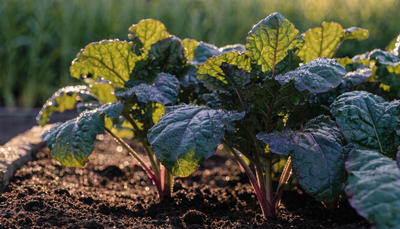
Lettuce is one of the most rewarding crops for organic gardeners — fast-growing, versatile, and remarkably easy to grow without synthetic chemicals. Whether you're harvesting baby greens 21 days after sowing or growing full heads of crispy romaine, organic lettuce delivers superior flavor and nutrition compared to its conventionally grown counterparts.
Studies from the British Journal of Nutrition found that organically grown leafy greens contain up to 20–40% more antioxidants and significantly lower nitrate levels than conventional produce. Here's your complete guide to growing incredible lettuce organically in any climate.
Choosing the Right Lettuce Varieties
Lettuce comes in four main types, each with distinct growth habits and uses. Choosing the right type for your climate and harvest goals is the first step toward a productive organic lettuce garden.
Loose-Leaf Lettuce
The fastest and easiest type to grow. Loose-leaf varieties don't form tight heads, allowing you to harvest outer leaves continuously for weeks. Top picks include Red Sails, Black Seeded Simpson, and Oak Leaf. These are excellent for cut-and-come-again harvesting.
Romaine (Cos) Lettuce
Upright, crisp heads with excellent heat tolerance compared to other types. Parris Island Cos, Jericho (bred in the Judean Desert for heat resistance), and Little Gem (a compact butterhead-romaine cross) are outstanding organic choices.
Butterhead Lettuce
Soft, tender leaves with a buttery texture. Buttercrunch (an All-America Selections winner) and Tom Thumb (perfect for containers) are reliable performers in organic gardens.
Crisphead (Iceberg) Lettuce
The most challenging type to grow organically due to long maturity times and heat sensitivity. If you want to try, Great Lakes and Ithaca offer the best disease resistance. Most organic growers prefer the easier (and more nutritious) alternatives above.
Best Varieties for Organic Growing
- Jericho — Romaine with exceptional bolt resistance and heat tolerance
- Red Sails — Beautiful red loose-leaf, slow to bolt, great disease resistance
- Buttercrunch — Compact butterhead, tolerates heat better than most
- Salanova — One cut produces dozens of uniform, ready-to-eat leaves
- Winter Density — Cold-hardy romaine-butterhead cross for fall/winter growing
- Deer Tongue — Heirloom loose-leaf, outstanding flavor and bolt resistance
Soil Preparation for Organic Lettuce
Lettuce has a shallow root system (most roots stay in the top 6–8 inches of soil), which means soil quality in that top layer is everything. Organic lettuce demands loose, moisture-retentive soil rich in biological activity.
Ideal Soil Conditions
- pH: 6.0–7.0 (slightly acidic to neutral)
- Texture: Loose, loamy soil with plenty of compost — lettuce roots struggle in compacted clay
- Organic matter: 5% minimum — add generous compost before each planting
- Drainage: Good drainage is essential — lettuce roots rot quickly in waterlogged soil
Building Living Soil for Lettuce
The secret to growing lettuce with outstanding flavor and nutrition is living soil — soil teeming with beneficial bacteria, mycorrhizal fungi, and microorganisms that form partnerships with plant roots. These microbes make nutrients available in forms lettuce can absorb immediately, resulting in faster growth and richer nutrient profiles.
For the best organic lettuce beds:
- Work in 2–3 inches of finished compost to the top 6 inches of soil before planting
- Inoculate with beneficial microbes — apply a full-spectrum microbial inoculant at planting time to establish nitrogen-fixing bacteria and mycorrhizae that dramatically accelerate lettuce growth
- Keep soil covered with light organic mulch (straw or shredded leaves) to protect the soil food web
- Avoid heavy tilling — a broad fork or light cultivation preserves the fungal networks your microbes build
Planting Lettuce: Timing and Technique
When to Plant
Lettuce is a cool-season crop that thrives between 45–75°F. It bolts (goes to seed and turns bitter) when temperatures stay above 80°F or day length exceeds 14 hours.
- Spring planting: Direct sow 2–4 weeks before last frost, or start indoors 4–6 weeks before transplanting
- Fall planting: Often the best season for lettuce — sow 6–8 weeks before first expected frost
- Succession planting: Sow new seeds every 2–3 weeks for continuous harvest throughout the season
Direct Sowing
Lettuce seeds need light to germinate — do not bury them deeply. Press seeds gently into the soil surface or cover with no more than ¼ inch of fine soil. Keep consistently moist until germination (4–10 days depending on temperature).
Spacing
- Loose-leaf (baby greens): Scatter seeds densely, thin to 2–4 inches
- Loose-leaf (full size): 6–8 inches apart
- Romaine and butterhead: 8–12 inches apart
- Crisphead: 12–16 inches apart
Companion Planting
- Radishes — Fast companions that break up soil and are harvested before lettuce needs the space
- Carrots — Different root depths, complementary timing
- Chives and garlic — Deter aphids naturally
- Tall crops (tomatoes, corn) — Provide afternoon shade in summer, extending lettuce season
Watering Organic Lettuce
Lettuce is 95% water by weight — consistent moisture is critical for crisp, tender leaves with no bitterness.
Best Practices
- Light, frequent watering: Unlike deep-rooted crops, lettuce benefits from frequent shallow watering — aim for consistently moist (not soggy) top 6 inches
- Morning watering: Water early so leaves dry before evening, reducing disease risk
- Drip irrigation or soaker hoses: Keep water off leaves to prevent downy mildew and bacterial leaf spot
- Mulch: A thin layer of straw or shredded leaves retains moisture and keeps roots cool — critical for delaying bolting in warm weather
Organic Fertilizing Schedule for Lettuce
Lettuce is a moderate feeder with a short growing cycle, so timing your organic fertilizer applications correctly makes a big difference in leaf size, color, and flavor.
At Planting
Work compost into the top 6 inches and apply a microbial inoculant to jumpstart the soil food web. This is the single most impactful step for organic lettuce — thriving soil biology feeds lettuce more efficiently than any fertilizer alone.
Vegetative Growth Phase (Entire Crop Cycle)
Since lettuce is harvested for its leaves (not fruit), it stays in the vegetative phase throughout its life. Apply an organic vegetative plant food every 2–3 weeks after seedlings establish. This provides the steady nitrogen lettuce needs for rapid, lush leaf production.
Supplemental Feeding
- Seaweed boost: Foliar spray with organic kelp fertilizer every 2 weeks — the natural cytokinins and growth hormones in seaweed visibly accelerate lettuce growth and improve heat tolerance
- Trace minerals: An organic magnesium and micronutrient supplement as a foliar spray improves leaf color and nutritional density
- Soil conditioning: Organic fish hydrolysate applied as a soil drench once mid-cycle feeds both the plant and the microbes — it's like a probiotic meal for your living soil
Organic Pest Control for Lettuce
Common Lettuce Pests
Aphids
- The #1 lettuce pest — check undersides of leaves regularly
- Blast with a strong water spray (morning is best so leaves dry)
- Release ladybugs or lacewings for biological control
- Companion plant with chives, garlic, or nasturtiums to repel
Slugs and Snails
- Set beer traps (shallow containers with beer) near lettuce rows
- Apply diatomaceous earth around plants (reapply after rain)
- Copper tape around raised bed edges creates a barrier slugs won't cross
- Water in the morning — evening watering creates slug-friendly conditions
Cutworms
- Place cardboard collars around transplant stems at soil level
- Beneficial nematodes in the soil control cutworm larvae
- Hand-pick at night when they're active
Rabbits and Deer
- Row covers or low fencing (2-foot wire mesh stops rabbits)
- Interplant with strongly scented herbs like oregano and rosemary
Prevention Strategies
The best pest management starts with soil health. Plants grown in biologically active soil with a thriving microbial community produce natural defense compounds more readily. Adding a chitin-based calcium supplement also activates chitinase enzymes in plants — a natural defense pathway that deters soft-bodied pests.
Common Lettuce Diseases and Organic Solutions
Downy Mildew
- Symptoms: Yellow patches on upper leaf surfaces, white-gray fuzzy growth underneath
- Prevention: Choose resistant varieties (Jericho, Coastal Star), ensure good air circulation, avoid overhead watering
- Treatment: Copper-based organic fungicide, remove severely affected leaves
Bottom Rot (Rhizoctonia)
- Symptoms: Brown, slimy decay starting where leaves contact soil
- Prevention: Mulch to prevent soil contact, improve drainage, rotate crops
- Treatment: Remove affected plants, amend soil with compost and beneficial microbes to suppress pathogens
Tip Burn
- Symptoms: Brown, dried edges on inner leaves
- Cause: Calcium transport issue (common in fast-growing lettuce during hot weather)
- Prevention: Consistent watering, adequate calcium supplementation, shade cloth during heat waves
Harvesting Lettuce
Cut-and-Come-Again Method
The best technique for loose-leaf varieties: cut outer leaves at 4–6 inches tall, leaving the center growing point intact. New leaves will regrow for 2–3 additional harvests before the plant bolts.
Full Head Harvest
For romaine and butterhead, cut the entire head at the base when it feels firm. Harvest in the morning when leaves are crispest and sugars are highest. Heads left too long in warm weather will bolt — the center will elongate, and leaves turn bitter.
Extending the Season
- Shade cloth: 40–50% shade cloth over lettuce beds extends growing by 3–4 weeks in summer
- Cold frames: Grow lettuce well into winter with simple cold frames or low tunnels
- Indoor growing: Lettuce thrives in containers on a sunny windowsill or under grow lights year-round
Frequently Asked Questions
How long does lettuce take to grow from seed?
Baby greens can be harvested in just 21–30 days. Full loose-leaf varieties take 40–55 days, romaine takes 60–75 days, and crisphead types need 70–100 days. Succession planting every 2–3 weeks ensures continuous harvest.
Why is my lettuce bitter?
Bitterness is almost always caused by heat stress or bolting. When temperatures exceed 80°F consistently, lettuce produces sesquiterpene lactones — natural bitter compounds. Prevent it by growing heat-tolerant varieties like Jericho, providing afternoon shade, and harvesting before the central stem begins to elongate.
Can I grow lettuce in containers?
Lettuce is one of the best container crops. Use containers at least 6 inches deep with good drainage and quality organic potting mix. A 12-inch pot can hold 3–4 loose-leaf plants. Container lettuce benefits especially from regular applications of organic liquid fertilizer and microbial inoculant since nutrients leach with each watering.
How do I stop lettuce from bolting?
Bolting is triggered by heat and long day length. Strategies to delay it include: choosing bolt-resistant varieties, providing afternoon shade, mulching to keep roots cool, harvesting regularly, and succession planting so you always have young plants coming on. Fall plantings rarely bolt since days are getting shorter.
What is the best organic fertilizer for lettuce?
Lettuce is a leaf crop that needs consistent nitrogen throughout its life. An organic vegetative plant food applied every 2–3 weeks, supplemented with seaweed extract foliar sprays, produces the best results. Starting with a microbial inoculant in your soil makes all other fertilizers more effective by improving nutrient availability.