Few trees reward patience like an avocado. Give it fast-draining living soil, steady warmth, and a feeding rhythm that follows the seasons, and a healthy tree will hand you more buttery fruit than one household can eat. The catch is that avocados are fussy in a couple of very specific ways — they despise wet roots and they sulk in cold snaps — so success is really about getting the fundamentals right up front. This guide walks you through every stage, the organic way, with no synthetic salts and no guesswork.
Choosing the Right Avocado Varieties
Avocados fall into three races — Mexican, Guatemalan, and West Indian — and their cold tolerance runs in that order, from toughest to most tender. Your climate should drive your choice more than fruit flavor does, because a variety that freezes out in your first hard winter will never fruit at all.
Cold-hardy cultivars (USDA zones 8b–9)
- Mexicola and Mexicola Grande — the champions of cold tolerance, shrugging off brief dips near 18–20°F once established. Small, thin-skinned fruit you eat skin and all; superb flavor.
- Bacon — hardy to roughly 25°F, green-skinned, mild, and a reliable producer. A Type B bloomer (more on that below).
- Fuerte — the classic green "pear," Type B, more cold-tolerant than Hass and a heavy bearer in a good year.
- Winter Mexican, Lila, and Joey — Texas-bred Mexican types prized in zone 8b for taking cold better than most.
Premium eating varieties (zones 9b–11)
- Hass — the pebbly-skinned market standard that turns purple-black when ripe. Rich, nutty, and largely self-fertile, but happiest above 30°F.
- Reed — big, round, green summer fruit with a clean, creamy taste; a compact, upright tree that suits smaller yards.
- Pinkerton — long-necked, easy-peeling, heavy early-season yields.
- Lamb Hass — a Hass improvement that tolerates heat better and holds a tidier shape.
Flower type and pollination
Avocados have a quirky bloom biology called dichogamy: every tree is classed as Type A or Type B based on the timing of when its flowers open female versus male. Type A (Hass, Reed, Pinkerton, Gwen) opens female in the morning; Type B (Fuerte, Bacon, Zutano) opens female in the afternoon. A single tree will usually set some fruit alone, but planting one A and one B nearby dramatically improves fruit set. If you only have room for one, choose a self-fertile variety like Hass and accept a lighter crop. For container or cold-climate growers, a semi-dwarf grafted tree on clonal rootstock keeps size manageable and starts bearing years sooner than a seedling.
Soil Preparation
Ideal soil
If you remember one thing about avocados, make it this: they will not tolerate soggy roots. The number-one killer of home avocado trees is root rot in heavy, waterlogged ground. Your target is a loose, fast-draining sandy loam with a slightly acidic pH of 6.0 to 6.5. Before planting, do a simple drainage test — dig a hole about 12 inches deep, fill it with water, and let it drain. If water still sits after a few hours, you have a drainage problem to fix before the tree ever goes in.
On clay or any site that holds water, plant on a raised mound 12–24 inches high and 3–4 feet wide. Elevating the crown keeps the sensitive root flare above the wet zone and is often the single difference between a tree that thrives and one that slowly declines.
Building living soil
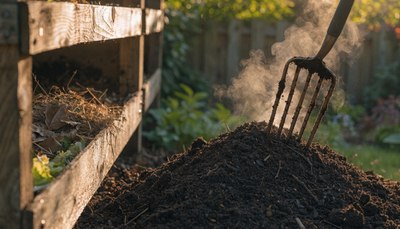
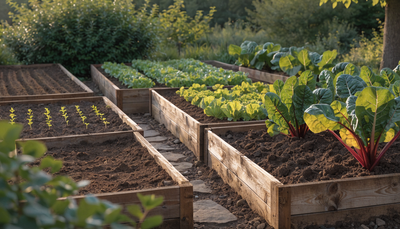
Organic avocados live and die by soil biology. Rather than feeding the tree directly, you're feeding a web of microbes, fungi, and earthworms that in turn feed the roots. Start by working 2–3 inches of finished compost into the top foot of your planting area, then top everything with 3–4 inches of coarse wood-chip mulch — pulled back a few inches from the trunk to keep the bark dry. Avocados are shallow-rooted forest trees at heart, and that mulch layer mimics the leaf litter they evolved under, moderating soil temperature and moisture while it slowly breaks down into humus.
If you're establishing a new orchard row or an open bed around young trees, sowing a cover crop of clover or vetch between trees fixes nitrogen, protects the soil surface, and feeds the microbes when you chop it down as green manure. The goal across every one of these steps is the same: a dark, crumbly, biologically alive soil that holds moisture without ever going swampy.
Planting: Timing & Technique
Plant in spring, once all danger of frost has passed and the soil has warmed. This gives the tree a full, warm growing season to establish roots before it faces any cold. Avoid planting in the heat of midsummer, which stresses young trees, or in fall, which sends a tender tree into winter before it's settled.
Dig a hole no deeper than the root ball but twice as wide, roughing up the sides so roots can push outward. Set the tree so the graft union and root flare sit an inch or two above the surrounding grade — planting too deep invites collar rot. Backfill with native soil (skip the rich amendment pockets that make roots circle), water it in thoroughly to settle air gaps, and mulch the surface while keeping that mulch off the trunk. Space standard trees 15–20 feet apart; semi-dwarf and container trees can go closer.
You can grow an avocado from a pit, and it's a fun project — the classic toothpick-in-a-glass trick works, and so does starting seeds indoors in a warm, bright spot. Just know that seedlings won't grow true to their parent and can take 5–13 years to fruit, if they ever do. For dependable fruit, buy a grafted tree of a named variety.
Companion Planting
A young avocado has a wide, hungry, shallow root zone, so the best companions are plants that support the soil without crowding it. Nitrogen-fixing groundcovers like clover and low-growing legumes enrich the root zone as a living mulch. Comfrey is a standout — its deep taproot mines minerals from below and its chopped leaves make a nutrient-rich surface mulch. Aromatic herbs and flowers such as marigold, nasturtium, borage, and lavender draw pollinators and confuse pests without competing heavily for water.
Steer clear of thirsty, aggressive plants directly under the canopy, and never let turf grass creep up to the trunk — it competes hard for the surface moisture avocados depend on. For a deeper look at pairings that work across your whole garden, see our companion planting guide.
Watering Avocado Organically
Avocados want their soil consistently moist but never waterlogged — the same fine line you walk with drainage carries straight into your watering can. The rule of thumb is deep, infrequent soaks rather than frequent sips. Let the top 2–3 inches of soil dry out between waterings, then water deeply enough to wet the whole root zone.
Newly planted trees need attention two to three times a week through their first summer while roots establish. Mature trees typically want a deep weekly soak in hot weather, stretching longer in cool or rainy stretches. Push a finger into the soil under the mulch before you water — if it's damp two inches down, wait.
One organic-specific watch-out: avocados are notably salt-sensitive. Sodium and chloride build-up shows as brown, scorched leaf tips. If your water is hard or you're in a dry climate, water deeply enough to periodically flush salts down past the roots, and lean on compost and mulch, which buffer salinity far better than bare soil.
Organic Fertilizing Schedule for Avocado
Avocados are nitrogen-forward feeders that also lean heavily on zinc — the most common micronutrient deficiency in avocado, showing up as small, mottled leaves. An organic, living-soil program covers all of this by feeding the biology that feeds the tree, in a rhythm that follows the seasons. Feed during the warm active-growth window (roughly spring through late summer) and ease off as the tree slows in fall.
You don't need all of these — Microbes, Veg, and Bloom are the core; the rest are optional boosters.
The essentials
- Microbes (soil inoculant) — the foundation of the whole system. Drench the root zone at planting and again a few times through the growing season to establish and maintain the fungal and bacterial network that unlocks nutrients and defends the roots against rot. This is the one product you keep using year-round, at a light touch, even as the tree slows for winter.
- Veg (vegetative fertilizer) — the nitrogen-forward workhorse for canopy growth. Apply as a soil drench through the spring and early-summer growth flushes to fuel healthy green leaves and new wood. This is your main feed for the first few years while you're building tree structure.
- Bloom (flowering fertilizer) — shift to Bloom as the tree moves toward flowering in late winter to spring, supporting strong bloom and fruit set with a phosphorus- and potassium-leaning profile. Continue lightly through the fruit-sizing months.
Select power-ups
- Incredible Bulk (bloom booster) — for bigger, denser harvests. Add during fruit set and sizing to push heavier, fuller fruit once your tree is old enough to carry a real crop.
- Kelp It Real (soluble seaweed extract) — for root growth and stress resilience. Especially valuable in the first year and during heat waves, cold snaps, or transplant shock; the natural growth compounds and trace minerals in kelp help the tree push roots and shrug off stress. Apply as a soil drench or foliar feed.
Feeding by stage
- Establishment (year 1): Microbes at planting to colonize the roots, plus Kelp It Real every few weeks to drive root development and ease transplant stress. Go easy on nitrogen until the tree is settled.
- Vegetative flush (spring–summer): Veg as the primary drench on each growth flush, with Microbes to keep the soil food web active. This is where you build a strong canopy.
- Pre-bloom to bloom (late winter–spring): transition to Bloom to support flowering and fruit set; a Kelp It Real application through bloom helps hold flowers and young fruit if the weather turns.
- Fruit set and sizing (spring–summer): continue Bloom and layer in Incredible Bulk to bulk up the crop. Keep Microbes in the rotation.
- Fall slowdown / dormancy: ease off feeding. A light Microbes drench keeps the soil alive over winter — but organic growing means no flushing and no forcing; you simply let the tree rest.
Always apply at the label rate for your tree's size and age. With avocados it's far safer to under-feed than over-feed — excess nitrogen produces lush leaves at the expense of fruit and worsens that salt-burn risk.
Organic Pest Control
A vigorous tree in living soil resists most pests on its own, but a few show up often enough to know by name. Persea mites and avocado thrips stipple and scar leaves and fruit; avocado lace bugs cause yellow blotching on leaf tops; and the polyphagous shot hole borer, an ambrosia beetle, tunnels into wood and is a serious threat in some regions.
Lead with prevention: healthy soil, good airflow, and a clean orchard floor. For active outbreaks, horticultural oil and neem oil smother mites and soft-bodied pests, while releasing or encouraging predatory mites and lacewings keeps populations in check naturally. Inspect the undersides of leaves regularly — catching an infestation early is worth ten sprays later. For a full organic toolkit, see our organic pest control guide.
Common Diseases & Organic Solutions
- Phytophthora root rot — by far the most damaging avocado disease, caused by a water mold that thrives in wet soil. Symptoms are wilting, small pale leaves, and dieback despite adequate water. The organic answer is almost entirely preventive: excellent drainage, planting on mounds, resistant rootstocks, generous mulch, and a strong Microbes-driven soil biology that outcompetes the pathogen. Never let a tree sit in standing water.
- Anthracnose — a fungal disease (Colletotrichum) causing dark, sunken spots on fruit, usually after wet weather. Prune for airflow, remove infected fruit and litter, and avoid overhead watering.
- Avocado scab — corky, raised lesions on fruit skin; cosmetic but unsightly. Sanitation and copper-based organic sprays at the right timing help in wet climates.
- Sunblotch viroid — a serious, incurable infection spread through contaminated tools and propagation. There's no cure; the only defense is buying certified clean nursery stock and sterilizing pruning tools between trees.
Harvesting Avocado
Here's the fact that surprises new growers: avocados do not ripen on the tree. The fruit matures on the branch but only softens after it's picked — the tree itself acts as your storage, letting you harvest over a long window. Timing varies by variety, but as a rule, fruit is ready to test months after fruit set. Hass, for example, darkens from green toward purple-black as it matures.
The reliable test is to pick one fruit that looks full-sized, leave it on the counter, and see what happens. If it ripens smoothly to a creamy texture over 3–8 days, the rest are ready to harvest as you need them. If it shrivels or turns rubbery, wait a few more weeks and test again. Clip fruit with a short stem attached rather than pulling it. To speed ripening, tuck a picked avocado in a paper bag with a banana or apple — the ethylene they give off does the work. Cool storage slows ripening if you're staggering your harvest.
Common Problems & Troubleshooting
Why is my avocado tree not fruiting?
The usual culprit is age — a grafted tree often needs 3–4 years before it fruits, and a seedling can take a decade. Beyond that, a cold snap during bloom can wipe out flowers, a lack of a compatible Type A/B pollinizer nearby can limit set, and avocados naturally tend toward alternate bearing — a heavy year followed by a light one. Steady organic feeding and stress reduction with Kelp It Real help even out those swings.
Why are my avocado leaves turning brown at the tips?
Classic leaf-tip burn is almost always salt accumulation — sodium and chloride from hard water or over-fertilizing. Flush the root zone with a deep, thorough watering to leach salts, back off any heavy feeding, and rely on compost and mulch to buffer the soil. If the browning is paired with wilting and soggy soil, suspect root rot instead.
Why is my avocado tree dropping fruit?
Some drop is completely normal — trees set far more flowers and tiny fruit than they can carry and shed the excess in early summer (often called "June drop"). Excessive drop usually traces to water stress (either too dry or too wet), heat spikes during fruit set, or nutrient swings. Keep soil moisture even, mulch heavily, and avoid letting the tree dry out during fruiting.
Frequently Asked Questions
How long until an avocado tree bears fruit?
A grafted tree of a named variety typically starts bearing in 3–4 years. A tree grown from a pit is a much longer wait — 5 to 13 years — and may never produce quality fruit, since it won't grow true to its parent. If fruit is your goal, start with a grafted nursery tree.
Do I need two avocado trees to get fruit?
Not strictly. Many varieties, including Hass, are self-fertile enough to produce on their own. But because of the A/B flower-timing quirk, planting one Type A and one Type B tree nearby noticeably improves pollination and yields. If you have space for two, it's worth doing.
Can I grow an avocado in a cold climate or in a pot?
Yes, within limits. Choose a cold-hardy Mexican-race variety like Mexicola or Bacon if you're pushing into zone 8b–9, and protect young trees from hard freezes. Where winters are truly cold, grow a semi-dwarf variety in a large container and move it into a bright, protected spot before frost. Container trees need the same fast-draining soil and careful watering as any avocado.
Why is my avocado fruit small or misshapen?
Small or distorted fruit often points to poor pollination, a zinc deficiency (common in avocados), or water stress during sizing. A living-soil program with Microbes to unlock micronutrients, steady moisture, and a nearby pollinizer usually corrects it over a season or two.
Is my avocado tree evergreen, and when does it lose leaves?
Avocados are broadleaf evergreens — they hold leaves year-round and shed older ones gradually, often in a flush around bloom time in spring. A modest natural leaf drop as new growth pushes is nothing to worry about; heavy, sudden defoliation signals stress, cold damage, or root problems.