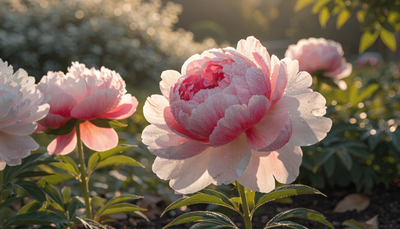
Few flowers announce spring louder than tulips. One week the bed is bare brown soil; the next it's a wall of goblet-shaped color on strong green stems. The secret nobody tells beginners is that a great tulip display is built in autumn, underground, in living soil — not in spring when you're admiring the blooms. Get the fall right and organic tulips practically take care of themselves.
Tulips are true perennials — in the wild they return for decades across the mountains of Central Asia and Turkey, and the right cultivars in the right soil will come back and even multiply. The trick is choosing bulbs that want to perennialize and feeding the soil biology that lets them rebuild for next year. This guide covers all of it, the organic way.
Choosing the Right Tulip Varieties
There are more than 3,000 named tulip cultivars sorted into 15 official divisions. For an organic gardener who wants flowers that come back, the division matters more than the color. Some tulips are bred as one-shot showpieces; others naturalize for years.
Best tulips for coming back (perennializers)
- Darwin Hybrids — the gold standard for return blooms. Big, weatherproof, 20–28 inch stems. Look for 'Apeldoorn' (classic red), 'Golden Apeldoorn' (yellow), and 'Pink Impression'. These are the tulips most likely to give you three, four, or more seasons.
- Fosteriana (Emperor) tulips — early, large-flowered, and reliably perennial. 'Purissima' (creamy white) and 'Orange Emperor' are workhorses.
- Species (botanical) tulips — the true naturalizers. Smaller, wilder, and the most likely to spread on their own. Try Tulipa tarda (yellow-and-white stars), Tulipa clusiana 'Lady Jane' (candy-striped), and Tulipa turkestanica. In a well-drained spot these can colonize for a decade or more.
- Greigii tulips — short, sturdy, with mottled maroon-streaked foliage. Excellent for the front of a bed and dependable returners.
Show-stoppers (often grown as annuals)
- Triumph tulips — the mid-spring florist classics. 'Negrita' (deep purple), 'Ile de France' (fire-engine red).
- Single Late tulips — tall, elegant, late season. 'Queen of Night' is the famous near-black tulip.
- Parrot tulips — ruffled, feathered, extravagant. 'Black Parrot' and 'Rococo' (crimson).
- Double Late (peony) tulips — layered petals that look like peonies. 'Angelique' (soft pink) and 'Mount Tacoma' (white).
- Lily-flowered tulips — pointed, reflexed petals. 'Ballerina' is orange and genuinely fragrant.
These fancier divisions bloom spectacularly the first spring, then usually fade in year two — that's not a failure of your gardening, it's how they're bred. Many gardeners plant Darwin Hybrids and species tulips as a permanent backbone and tuck in a handful of parrots or doubles each fall as replaceable "annuals." When you buy, choose fat, firm bulbs with the papery brown tunic intact; bigger bulbs make bigger flowers.
Soil Preparation
Ideal soil for tulips
If tulips have one non-negotiable demand, it's drainage. These are mountain bulbs adapted to gritty slopes that dry out in summer. Sitting in cold, wet ground is the single fastest way to rot a bulb. Aim for loose, well-drained loam with a soil pH between roughly 6.0 and 7.0 (slightly acidic to neutral). Full sun — at least six hours a day — gives you the strongest stems and the most reliable return.
If your soil is heavy clay, don't fight it bulb by bulb — raise the whole bed a few inches, or work coarse compost and a little horticultural grit across the planting area so water moves through instead of pooling. A spot that puddles after rain is a spot to skip.
Building living soil
Organic tulips thrive when you feed the soil rather than the plant. A living soil full of beneficial fungi and bacteria does the slow work of unlocking phosphorus and micronutrients the bulb needs to build next year's flower — work that a bag of synthetic salt can't do.
Start with 2–3 inches of finished compost worked into the top 8–10 inches of the bed before planting. Compost improves drainage in clay and retention in sand, and delivers a broad, gentle nutrient base — exactly what bulbs prefer over a nitrogen spike. If you're preparing a bed months ahead, sowing a cover crop or green manure the season before and turning it in adds even more organic matter for free.
At planting, inoculate the root zone with a dose of Microbes, which introduces beneficial fungi and bacteria right where the roots will grow, jump-starting the underground partnership that keeps a perennial tulip coming back. Healthy soil life is what turns "planted once" into "returns every spring."
Planting: Timing & Technique
When to plant
Tulips are planted in fall, six to eight weeks before your ground freezes, once soil temperatures drop below about 60°F. In most of the country that's September through November; in the coldest zones, aim earlier. The bulbs need a long cold spell — roughly 12 to 16 weeks below 45°F — to trigger blooming. That winter chill is the switch that makes a tulip flower.
In warm regions (USDA zones 8 and up) where winters never get cold enough, you have to fake it: pre-chill bulbs in a paper bag in the refrigerator for 10–14 weeks, keeping them well away from ripening fruit (apples and others give off ethylene gas that kills the flower bud). Plant the chilled bulbs in late December or January for a late-winter show, and treat them as annuals — they rarely rebloom in hot climates.
How to plant
- Depth: plant about three times the bulb's height deep — usually 6–8 inches for a standard tulip. Deeper planting protects bulbs from frost heave, temperature swings, and hungry squirrels, and it helps perennial types stay in the ground year after year.
- Spacing: 4–6 inches apart. For a lush, painterly look, plant in generous clusters or drifts of a dozen or more rather than single soldiers in a row.
- Orientation: pointy end up, flat root-plate down. If you truly can't tell, plant the bulb on its side — the shoot will find its way to the surface.
- After planting: water once, deeply, to settle the soil and wake the roots. Then leave them — fall rain and snowmelt do the rest.
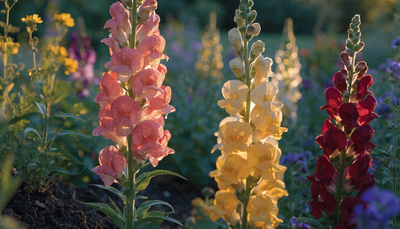
One honest note: tulips are grown from bulbs, not seeds. You can grow them from seed, but it takes five to seven years to reach a flowering bulb, which is why nobody does it outside breeding programs. If you'd like to raise the annual companions that pair beautifully with tulips — violas or snapdragons — that's where starting seeds indoors comes in.
Companion Planting
Tulips look best in mixed company, and the right neighbors do real work — hiding fading foliage, deterring bulb-diggers, and stretching the bloom season. See the full organic companion planting guide for the broader strategy; here are the standout tulip partners:
- Daffodils (Narcissus) — the best companion of all. Squirrels, voles, and deer avoid their toxic bulbs, so interplanting daffodils gives your tulips a bit of a protective screen. They also bloom on a similar schedule.
- Grape hyacinth (Muscari) — low blue spikes that carpet the ground beneath taller tulips, and their fall foliage marks exactly where the bulbs are so you don't dig into them.
- Alliums — ornamental onions that bridge the gap as tulips fade, and whose oniony scent many pests dislike.
- Pansies, violas, and forget-me-nots — living mulch that fills the space between stems and keeps the bed from looking bare.
- Hostas and daylilies — slower to wake, they leaf out just as tulip foliage starts to yellow, conveniently hiding the untidy die-back.
Watering Tulips Organically
Tulips need far less water than most flowers, and overwatering is a bigger risk than drought. Here's the rhythm:
- At planting (fall): water once, deeply, to settle soil and start root growth.
- Winter: leave them alone. Natural moisture is plenty, and soggy dormant bulbs rot.
- Active growth (spring): once shoots emerge, tulips appreciate about 1 inch of water per week if rain doesn't provide it. Water at the base, in the morning, so foliage dries by evening — wet leaves invite fungal disease.
- After bloom: keep watering lightly while the foliage is still green and feeding the bulb.
- Summer dormancy: stop. Tulips want to bake dry through summer, mimicking their native mountain habitat — which is why they resent being planted next to thirsty summer annuals.
A 2–3 inch layer of organic mulch over the bed moderates soil temperature and moisture without keeping the bulbs waterlogged.
Organic Fertilizing Schedule for Tulips
A tulip's flower for next spring is built inside the bulb during and just after this spring's bloom. That means the most important feeding window is the weeks right after flowering, while the leaves are still green — not, as many people assume, at bloom time. Feed the soil biology and the bulb rebuilds itself. Here's the organic schedule by stage.
Fall — Planting
Mix finished compost into the bed and inoculate the root zone with Microbes as you plant. The beneficial fungi and bacteria colonize the soil over winter so roots have living partners waiting when spring arrives. A splash of Kelp It Real in the settling-in water supports early root development and helps bulbs establish before the ground freezes.
Early spring — Emergence & foliage
When shoots break the surface, the plant is building the leaves and stem that will power the flower. Feed with Veg at the label rate to supply gentle, organic nitrogen for strong green growth. Water it in around the base of the emerging clumps.
Bud & bloom
As flower buds form and color up, switch to Bloom, which shifts the balance toward the phosphorus and potassium that fuel flowering and stem strength. For gardeners who want the biggest, most saturated blooms — and cut flowers that last longer in the vase — add Incredible Bulk as a bloom booster during this window.
After bloom — the critical window
This is where perennial tulips are made or lost. Once petals drop, the leaves keep photosynthesizing to recharge the bulb for next year. Keep feeding with Bloom for a few weeks and let the foliage die back naturally — never cut or braid green leaves. If your tulips were stressed by heat, pests, or a rough winter, Kelp It Real helps them recover heading into dormancy, and a light topdress of compost as the leaves yellow leaves the soil richer for next season.
You don't need all of these — Microbes, Veg, and Bloom are the core; the rest are optional boosters. Incredible Bulk is for gardeners chasing show-quality flowers, and Kelp It Real is your go-to for rooting and stress recovery. Start with the core three and add power-ups only where you want an edge.
Organic Pest Control
Tulips face two very different kinds of pest: bugs on the leaves and diggers after the bulbs. Our full organic pest control guide covers the toolkit in depth; here's what specifically goes after tulips.
Bulb diggers
Squirrels, chipmunks, voles, and deer are the tulip gardener's real nemesis — the bulbs are essentially candy to them. Deep planting (6–8 inches) helps. Lay chicken wire or hardware cloth over newly planted beds until the ground freezes, interplant with rodent-repelling daffodils and alliums, and skip the bone meal many old guides recommend — its smell actively attracts diggers. Tulips are a favorite deer browse, so unfenced gardens in deer country may need repellent sprays rotated through the season.
Insects
- Aphids — cluster on stems and buds, and worse, they can transmit tulip breaking virus. Blast them off with a strong jet of water or treat with insecticidal soap; encourage ladybugs and lacewings.
- Slugs and snails — chew ragged holes in emerging leaves in cool, damp spring weather. Hand-pick at night, set beer traps, or ring plants with iron-phosphate bait, which is organic-approved.
- Bulb mites and thrips — usually a symptom of already-damaged or rotting bulbs. The best defense is buying clean, firm bulbs and giving them well-drained soil so they never rot in the first place.
Common Diseases & Organic Solutions
- Tulip fire (Botrytis tulipae) — the most serious tulip disease. It shows as scorched, twisted, spotted leaves and brown blotches on petals, spreading fast in cool, wet weather. There's no organic cure once it takes hold: remove and destroy infected plants immediately (don't compost them), never plant tulips in the same spot two years running, water at the base, and space plants for good airflow. Discard any bulb with dark sunken lesions.
- Tulip breaking virus — causes those famous feathered, streaked color "breaks" (the same virus behind the 1600s Dutch tulip mania). Beautiful but fatal over time, and spread by aphids. There's no cure: dig and destroy affected plants and control aphids to protect the rest of the bed. Note that modern "flamed" or "Rembrandt-style" cultivars are bred to look striped and are perfectly healthy — the virus is the version that also weakens the plant.
- Basal rot (Fusarium) — a soil fungus that rots bulbs from the base, often in warm, wet soil. Prevent it with excellent drainage and by discarding soft or moldy bulbs before planting.
- Blue mold and storage rot (Penicillium) — storage and wet-soil rots. Inspect bulbs before planting and give them the airy, well-drained conditions they crave. A thriving living soil full of beneficial organisms helps crowd out many of these opportunistic pathogens.
Harvesting Tulips
Tulips make superb cut flowers. Harvest in the cool of early morning when stems are firm and hydrated. Cut — don't pull — at the "colored bud" stage, when the bud has taken on full color but hasn't opened yet. Picked then, they'll open indoors and last 5 to 7 days or more.
One quirk to know: tulips keep growing in the vase, stretching an inch or two and bending toward the light. Recut the stems, use cold water, keep the arrangement out of direct sun and away from a fruit bowl, and change the water every couple of days.
Cutting for the vase vs. keeping the plant: cutting a tulip stem takes most of the leaves with it, robbing the bulb of the energy it needs to rebloom. So cut freely from tulips you're treating as annuals, but on perennial Darwin Hybrids and species tulips, leave the foliage on the plant and just enjoy them in the garden.
To lift and store bulbs (useful in hot climates or to relocate a clump), wait until the foliage has fully yellowed, dig carefully, brush off soil, discard any soft or damaged bulbs, and cure them in a cool, dry, airy spot until fall replanting.
Common Problems & Troubleshooting
Why are my tulips all leaves and no flowers?
"Blind" bulbs — foliage but no bloom — are the most common tulip complaint. Usual causes: bulbs too small or exhausted from a previous year, not enough winter chill, too little sun, or foliage that was cut back too early last season before it could recharge the bulb. Fix it by planting large fresh bulbs of a perennializing type, giving them full sun, and always letting the leaves die back naturally.
Why are my tulips flopping over or too short?
Weak, floppy stems usually mean too little light (tulips stretch and lean toward the sun in shade) or too much fast nitrogen forcing soft, sappy growth. Give them full sun and feed gently with organic inputs rather than a big nitrogen hit. Very short stems can also mean the bulb didn't get enough chilling — a full cold period produces full-height stems.
Why didn't my tulips come back this year?
Often the cultivar simply wasn't a perennializer — many Triumph, parrot, and double tulips are one-season performers by design. Other culprits: bulbs rotting in poorly drained soil, foliage removed too soon, shallow planting, or diggers over winter. Switch to Darwin Hybrids, Fosteriana, or species tulips, plant them 6–8 inches deep in well-drained living soil, and let the leaves yellow before removing them.
Frequently Asked Questions
Do tulips come back every year?
They can. Tulips are perennials, but not every cultivar reliably reblooms in a garden setting. Darwin Hybrids, Fosteriana (Emperor) types, and species tulips are your best bets for return blooms; many fancy florist varieties are effectively annuals. Good drainage, deep planting, and letting foliage die back naturally all improve your odds.
Do I need to refrigerate my tulip bulbs?
Only in warm climates. Tulips need 12–16 weeks below about 45°F to bloom. In USDA zones 3–7 the ground provides that naturally, so you just plant in fall. In zones 8 and warmer, pre-chill bulbs in the refrigerator for 10–14 weeks (away from fruit) before planting.
Can I grow tulips in containers?
Yes, and it's a great way to control drainage. Use a deep pot with drainage holes, plant bulbs close together for a full look, and either sink the pot in the ground or store it somewhere cold (35–45°F) through the chilling period. Container tulips are usually treated as annuals.
When do tulips bloom?
Early to late spring, depending on type. Species and Fosteriana tulips open first, Triumphs and Darwin Hybrids in mid-spring, and Single Late and parrot tulips last. Planting a mix of early, mid, and late divisions can stretch your tulip season across many weeks.
Should I deadhead tulips after they bloom?
Yes — snap off the spent flower head so the plant doesn't waste energy making seed. But leave the stem and all the leaves in place until they yellow and die back on their own. That foliage is recharging the bulb for next year's flower, which is the whole game with perennial tulips.