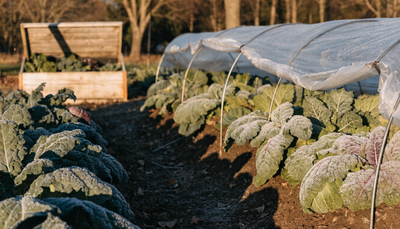
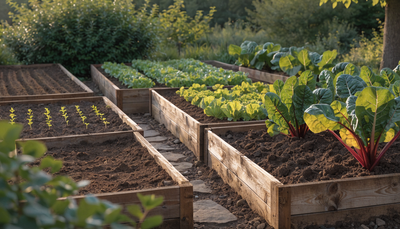
Growing fennel organically rewards you with a crop that's sweeter, crisper, and more aromatic than anything at the store — while feeding the living soil and pollinators that make your whole garden thrive. Skip the synthetic salts and you get bulbs with a cleaner anise flavor, feathery fronds you can actually eat, and a plant that gives back long after harvest.
Fennel has a reputation for being finicky — it bolts if you look at it wrong, and it's famously antisocial in the garden bed. But once you understand what it wants — steady moisture, cool-season timing, and living soil that never lets it stress — it becomes one of the most satisfying vegetables you can grow. What follows is the full arc, through an organic, soil-first lens.
Choosing the Right Fennel Varieties
The single most important choice happens before you plant anything: which kind of fennel you're growing. Confusing the two types is the number-one reason first-timers end up disappointed.
Florence Fennel vs. Herb Fennel
Florence fennel (also called finocchio or bulbing fennel) is grown for its swollen, crisp white bulb — the anise-scented vegetable you slice raw into salads or roast until caramelized. This is what most gardeners mean by "growing fennel." Herb fennel, by contrast, doesn't form a usable bulb; it's grown for its aromatic seeds, pollen, and feathery foliage, and it's often a perennial in warm regions. If you want the vegetable, buy seed clearly labeled Florence fennel or finocchio — not "common" or "sweet" herb fennel, which will leave you waiting for a bulb that never comes.
Best Varieties for Organic Growing
- Zefa Fino — A reliable, slow-to-bolt Florence type that's forgiving for beginners; a strong pick for spring plantings where warm spells threaten.
- Orion — A hybrid prized for large, uniform, rounded bulbs and dependable performance. Choose it when you want consistency and heft.
- Preludio — Another bolt-resistant hybrid that holds well in the field, giving you a wider harvest window before it flowers.
- Perfection — An early, bolt-resistant open-pollinated variety with medium bulbs and a delicate flavor, well suited to earlier spring sowings or a fall crop.
- Rondo — Known for fat, well-rounded bulbs and good uniformity; popular with market growers.
- Bronze fennel — If you want the herb (foliage, pollen, and seed) rather than the bulb, this ornamental beauty has smoky-purple fronds pollinators adore.
For organic gardens, prioritize bolt resistance above all else — "slow-bolting" on the packet is worth more than any promised bulb size, because a bolted plant gives you nothing to eat.
Soil Preparation
Fennel is a light-to-moderate feeder that cares far more about soil structure and steady moisture than about heavy fertility. Its long taproot wants an open, crumbly bed free of compaction.
Ideal Soil Conditions
Aim for a loose, well-drained loam rich in organic matter, with a soil pH between about 6.0 and 7.0 — right where most vegetable gardens already sit. Fennel dislikes heavy, waterlogged clay, which suffocates roots and invites rot, and it equally dislikes fast-draining sand that dries out and triggers bolting. Before planting, work 2 to 3 inches of finished compost into the top 8 to 10 inches of the bed. If your ground is rocky or compacted, loosen it with a broadfork rather than tilling it to dust — you want structure preserved, not destroyed.
Building Living Soil
This is where organic growing pulls ahead of the bag-of-blue-salts approach: instead of feeding the plant directly and degrading the soil food web over time, a living-soil program feeds the biology, and the biology feeds the plant. Fungi and beneficial bacteria partner with fennel's roots, extending their reach for water and nutrients, buffering stress, and unlocking minerals already in your soil.
A generous helping of quality compost brings in a starter population of microbes, and mulching with straw or shredded leaves keeps the surface moist and biologically active. To supercharge the root zone from day one, inoculate with Microbes — a living-soil root inoculant that colonizes the rhizosphere so your fennel plugs into the fungal and bacterial network immediately. The goal is soil that stays alive, aerated, and evenly moist — the surest defense against the stress that makes fennel bolt.
Planting: Timing & Technique
Fennel is an annual grown as a cool-season crop, and timing is everything. It bolts — sends up a flower stalk instead of forming a bulb — when triggered by heat, long days, or root disturbance. So you frame your whole planting calendar around your frost dates and the temperature swings around them, not around hardiness zones.
Spring vs. Fall Timing
For a spring crop, sow or transplant so plants mature during cool weather but after hard-frost danger has passed — young fennel exposed to a stretch of cold (below roughly 50°F for a week or more) can be tricked into bolting. Direct-sow 2 to 3 weeks before your last spring frost date, or transplant seedlings around that window once nights are reliably mild.
Fall is often the easier, more reliable season for bulb fennel. Sow in mid-to-late summer so bulbs size up as the weather cools and days shorten heading into your first fall frost — cool-down conditions discourage bolting and produce sweeter, crisper bulbs. Count back roughly 12 to 14 weeks from your first expected fall frost to set your sowing date.
Starting Seeds Indoors and Transplanting
Fennel has a sensitive taproot and resents disturbance, so if you start indoors, use deep cells or soil blocks and transplant early — within about 3 to 4 weeks, before roots circle and set. Sow seeds ¼ inch deep; they germinate in 7 to 14 days at soil temperatures around 60 to 70°F. Harden off seedlings over a week before setting them out. Many growers skip transplanting entirely and direct-sow for exactly this reason.
Spacing
Give Florence fennel room to bulk up: thin or space plants 6 to 12 inches apart in rows 18 to 24 inches apart, since crowded fennel produces thin, stringy bulbs. As bulbs begin to swell, some growers gently mound soil around the base — "hilling" — to blanch the bulb white and keep it tender, much like blanching celery.
Companion Planting
Fennel has earned a reputation as the loner of the vegetable garden, and it's a deserved one — it releases compounds that can inhibit many neighbors, so keep it in its own bed or a dedicated corner rather than interplanted through your rows.
Keep fennel away from beans, tomatoes, peppers, and most of the carrot/parsley family (dill, cilantro, carrots), which tend to sulk near it — and dill will readily cross-pollinate with fennel if both flower. More tolerant neighbors include cucumbers and some brassicas planted at a respectful distance. Let a plant or two flower, though, and its lacy umbels draw hoverflies, parasitic wasps, and ladybugs that patrol your garden for aphids and caterpillars.
Watering Fennel Organically
If there's one lever that decides your fennel harvest, it's water. Fennel demands consistent, even moisture from germination through bulbing. Any drought stress — even a few hot, dry days — is a direct invitation to bolt, and it also toughens and hollows the bulb.
Best Practices
- Aim for roughly 1 to 1.5 inches of water per week, adjusting upward in heat, and never let the root zone dry out fully.
- Water deeply and steadily rather than in shallow sips — deep watering pulls roots down and stabilizes the plant against stress.
- Mulch is your best friend: a 2-inch layer of straw or shredded leaves buffers soil moisture, moderates temperature, and keeps the biology active through warm spells.
- Drip irrigation or a soaker hose beats overhead watering — it delivers moisture to the roots and keeps foliage dry, reducing disease pressure.
Signs of Problems
Underwatering shows up as wilting fronds, premature bolting, and stringy, split, or tough bulbs. Overwatering or poor drainage shows up as yellowing lower foliage, a soft or rotting bulb base, and a musty smell at the soil line. The fix for both is the same: better soil structure, mulch, and steady watering instead of feast-or-famine cycles.
Organic Fertilizing Schedule for Fennel
Fennel isn't a heavy feeder like a tomato or a squash, so the goal is steady, gentle nutrition — never a big shot of nitrogen that pushes soft, bolt-prone growth. A living-soil program delivers exactly that: slow, biologically-mediated feeding the plant draws on as needed.
One note before the schedule: you don't need all of these. Microbes, Veg, and Bloom are the core system; the rest are optional boosters for specific goals. For a crop as low-maintenance as fennel, many growers get an excellent harvest from the three essentials alone.
At Planting — Establish the Foundation
Start with biology. Work compost into the bed and inoculate the root zone with Microbes — sprinkle it into the planting hole or transplant furrow so beneficial fungi and bacteria colonize the roots from day one. This is the single highest-leverage step for a stress-free, bolt-resistant crop. To ease transplant shock, water seedlings in with a diluted dose of Kelp It Real, a soluble seaweed extract that eases stress and gets young plants moving.
Vegetative Stage — Building Fronds and Frame
Once seedlings are established and putting out true feathery growth, support that leafy development with Veg, an organic vegetative feed. Apply every 2 to 3 weeks during active growth to keep foliage lush and green — healthy fronds are the solar panels that will power bulb formation. Keep applications moderate; the aim is steady growth, not a nitrogen surge. A light drench of Kelp It Real every couple of weeks pairs well here, carrying plants through warm spells.
Bulbing Stage — Sizing Up
As the base begins to swell into a bulb, shift the balance toward Bloom, an organic flowering-and-fruiting feed. Fennel isn't grown for flowers, but the phosphorus-and-potassium emphasis of a bloom formula supports firm, dense bulb development and root strength rather than more soft leafy growth. Apply as the bulb starts to form and continue every 2 to 3 weeks until harvest.
Optional Booster — Firmness and Pest Armor
For growers chasing extra-crisp, dense bulbs and a little natural defense, King Krustacean is a worthwhile power-up. Its calcium supports firm cell walls and tender-but-solid bulbs, while its chitin content stimulates the soil's natural pest-suppressive biology — building the plant's armor from the inside. Work a small amount into the bed at planting or side-dress during bulbing.
Organic Pest Control
Fennel's strong anise aroma repels many pests, so it's rarely overwhelmed — but a few culprits show up reliably.
- Aphids — The most common fennel pest, clustering on tender fronds and new growth. Blast them off with a strong spray of water, encourage the ladybugs and hoverflies fennel's own flowers attract, and treat heavy infestations with insecticidal soap.
- Swallowtail caterpillars — Fennel is a host plant for black swallowtail butterflies, so you'll find their striking green-and-black striped caterpillars munching the foliage. Many gardeners happily leave a plant for them; to protect a crop, just hand-pick and relocate them to a sacrificial plant.
- Armyworms and cutworms — These can shear seedlings at the soil line. Cardboard collars around transplants and cleaning up garden debris go a long way; Bacillus thuringiensis (Bt) handles heavier caterpillar pressure.
- Slugs and snails — Drawn to the moist, mulched conditions fennel loves. Set out beer traps, hand-pick at night, or ring plants with a barrier of diatomaceous earth.
The throughline is prevention: healthy, unstressed plants in living soil shrug off pests that would overwhelm a struggling one.
Common Diseases and Organic Solutions
Most fennel diseases trace back to excess moisture on foliage or poor air circulation — both fixable with good culture.
- Damping-off — A fungal complex that rots seedlings at the soil line. Prevent it with a well-drained mix, good airflow, and by not overwatering seed trays. Healthy soil biology outcompetes the pathogens responsible.
- Powdery mildew — A white, dusty coating on foliage in warm, humid, crowded conditions. Space plants for airflow, water at the base rather than overhead, and treat with a potassium-bicarbonate or diluted horticultural-oil spray if it appears.
- Cercospora leaf blight / leaf spot — Brown-to-tan spots on fronds in wet weather. Remove affected foliage, avoid working among wet plants, and rotate where you grow umbellifers each year.
- Root and crown rot — Soft, brown, foul-smelling bulb bases in soggy soil. This is a drainage problem first and foremost: raise beds, add organic matter, and never let fennel sit in standing water.
Crop rotation is your cheapest insurance — don't plant fennel (or its carrot-family relatives) in the same spot two years running, and you'll starve most soilborne pathogens of a foothold.
Harvesting Fennel
Timing the harvest is where patience pays off. Florence fennel is typically ready 65 to 90 days from sowing, depending on variety and season.
When to Harvest
Harvest the bulb when it's firm, plump, and roughly the size of a tennis ball to a small fist — about 3 to 4 inches across at the base. Don't wait for it to get enormous; oversized bulbs turn tough, stringy, and split, and an over-mature plant is one hot day away from bolting. Cut the whole plant just below the bulb at the soil line with a sharp knife. If you catch a bulb starting to bolt (a flower stalk pushing up from the center), harvest immediately — it's still edible used right away. And don't waste the rest: the feathery fronds are a delicate herb, and the stalks lend anise flavor to stocks and roasts.
Storage and Extending the Harvest
Fennel bulbs keep 1 to 2 weeks in the refrigerator crisper; trim the stalks, leave the bulb whole and unwashed, and store it in a loosely sealed bag to hold moisture. For longer storage, fennel freezes well after blanching, and the fronds dry or freeze fine. To extend your season, stagger sowings every 2 to 3 weeks and lean on that reliable fall crop — a light frost actually sweetens mature bulbs, and in mild regions you can hold fennel in the ground under mulch and harvest as needed.
Common Problems and Troubleshooting
Why is my fennel bolting instead of forming a bulb?
Bolting is fennel's stress response, triggered by heat, drought, root disturbance, long summer days, or a cold snap on young plants. The fixes: grow it in the cool shoulder seasons (fall is most reliable), keep soil evenly moist with mulch and steady watering, choose bolt-resistant varieties like Zefa Fino or Preludio, and minimize root disturbance by direct-sowing or transplanting very young.
Why is my fennel bulb thin, stringy, or not forming at all?
Two usual suspects. First, make sure you're growing Florence fennel, not herb fennel — herb types simply don't bulb. Second, thin, stringy bulbs come from crowding, inconsistent water, or heat stress. Space plants properly, water steadily, feed gently through the bulbing stage with Bloom, and hill soil around the base to encourage a fat, tender bulb.
Why are my fennel fronds yellowing?
Yellowing lower fronds usually signal waterlogged roots and poor drainage, or occasionally a nitrogen shortfall in older plants. Check drainage first — soggy soil is the more common cause. If drainage is fine and the plant is just pale and slow, a light feeding of Veg plus a boost of soil biology with Microbes will green it back up.
Frequently Asked Questions
Can I grow fennel in containers?
Yes — and it's a good way to keep this antisocial plant away from touchy neighbors. Use a deep pot — at least 10 to 12 inches deep for the taproot — with rich, well-draining potting mix and good drainage holes. The main challenge is moisture: containers dry out fast, and fennel bolts when stressed, so water consistently and mulch the surface. One plant per medium pot is about right.
Is fennel a perennial or an annual?
Florence (bulb) fennel is grown as a cool-season annual — you plant it, harvest the bulb, and replant. Herb fennel, by contrast, is a perennial in mild-winter regions and can return for years. Since this guide is about the edible bulb, treat it as an annual and plan around your spring and fall frost dates.
Do I need to blanch or hill fennel bulbs?
It's optional but worthwhile. Mounding soil around the swelling bulb ("hilling") blanches it whiter and keeps the outer layers tender and mild, much like blanching celery or leeks. It's not required for a good harvest, but if you want that crisp, sweet, market-quality bulb, it's a low-effort upgrade.
Does fennel really need special fertilizer?
Not special, just gentle and steady. Fennel is a light-to-moderate feeder, so the worst thing you can do is hit it with a big shot of nitrogen, which drives soft, bolt-prone growth. A living-soil program — Microbes at planting, Veg during leafy growth, and Bloom as bulbs size up — delivers a slow, balanced supply. The three essentials cover most gardens; boosters like Kelp It Real and King Krustacean add stress resilience and firmer bulbs.